As the sun sets across North America, a silent workforce takes to the skies. While many of us are winding down for the evening, the Big Brown Bat (Eptesicus fuscus) is just starting its day. These resilient mammals are among the most widespread bat species on the continent, familiar to both city dwellers and rural residents alike.
Despite their prevalence, misunderstandings about these creatures persist. Are they dangerous pests, or are they essential allies in our ecosystem? For homeowners, discovering a bat in the attic can be a source of anxiety, yet for farmers and gardeners, these animals are invaluable natural pest controllers.
This guide explores the life of the Big Brown Bat, from its physical traits to its critical role in the environment. We will also discuss how to handle unexpected encounters and the best practices for humane removal if they decide to move into your home.
Identifying a Big Brown Bat
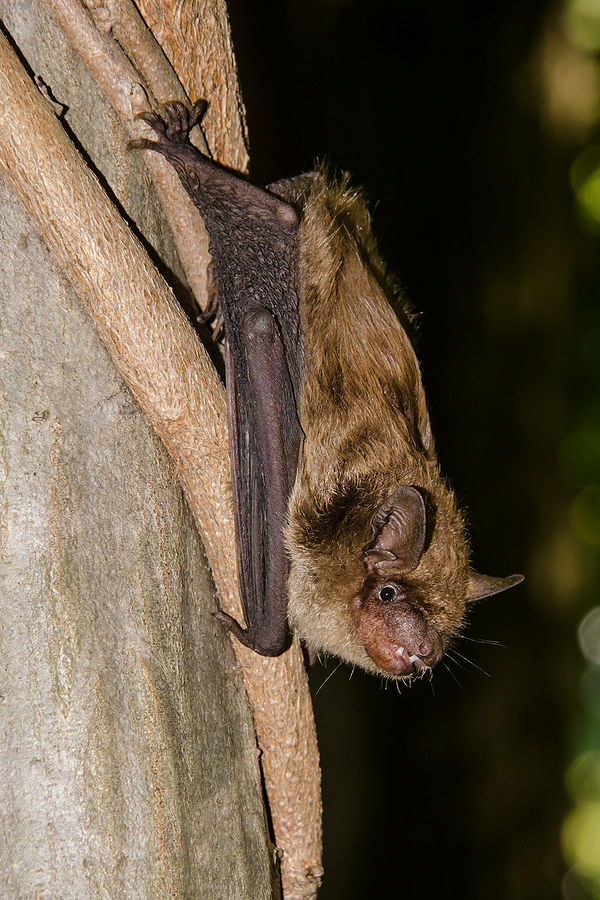
Identifying a Big Brown Bat correctly is the first step in understanding them. As their name suggests, they are larger than many other common species, such as the Little Brown Bat, though they are still relatively small mammals.
A typical Big Brown Bat weighs between 0.5 to 0.7 ounces (15 to 21 grams)—roughly the weight of a standard alkaline battery. Their most striking feature is their impressive wingspan, which ranges from 13 to 16 inches. Their fur is long and oily, ranging from a glossy chocolate brown to a reddish-brown hue, while their belly fur is slightly lighter.
Distinguishing them from other species can be tricky without a close inspection. However, looking at the nose and ears provides clues. They have a broad nose and rounded, black ears. Unlike some species, they do not have fur on their wings or tail membranes, which are black and leathery.
Range and Habitat
Adaptability is a hallmark of the Big Brown Bat. These hardy creatures have an extensive range that stretches from the northern tips of Canada down through the United States, Mexico, Central America, and even into the Caribbean and northern South America.
Their hardiness allows them to thrive in diverse environments. In the wild, they roost in hollow trees, beneath loose bark, and in rock crevices. However, they have adapted remarkably well to human expansion. It is quite common to find them roosting in man-made structures such as:
- Attics and wall voids
- Barns and silos
- Church steeples
- Shutters and eaves
- Bat houses
During the winter, unlike birds that migrate south, Big Brown Bats often hibernate in local caves, mines, or even the walls and attics of heated buildings if temperatures remain stable enough to keep them from freezing.
Diet
One of the most compelling reasons to appreciate these nocturnal neighbors is their diet. Big Brown Bats are insectivores, and their appetite is voracious.
Using echolocation—a biological sonar where they emit high-frequency sounds that bounce off objects—they can detect and capture flying insects in total darkness. They are essentially aerial acrobats, capable of erratic and swift flight patterns to snatch prey mid-air.
Their preferred menu consists largely of beetles, including the cucumber beetle and the June beetle, which are notorious agricultural pests. They also consume moths, wasps, flying ants, and mosquitoes.
A single colony of Big Brown Bats can consume millions of insects in a single summer, providing a natural and chemical-free form of pest control that benefits agriculture and local gardens immensely.
Schedule a Free Bat Control Inspection in Louisville ✏
Reproduction and Life Cycle
The reproductive cycle of the Big Brown Bat is a fascinating process timed perfectly with the seasons. Mating typically occurs in the fall before hibernation, but the female stores the sperm during the winter. Fertilization actually occurs in the spring when the bats wake from hibernation and ovulation begins.
In late spring or early summer, females form maternity colonies. These are groups of females that gather in a warm, safe location to give birth and raise their young. Each female usually gives birth to one or two pups per year.
The pups are born hairless and blind but grow rapidly. Within a month, they are usually ready to fly and begin foraging on their own. By late summer, the maternity colonies begin to disperse as the bats prepare for the coming winter.
Big Brown Bats and Humans: Benefits and Concerns
The relationship between humans and Big Brown Bats is complex. On one hand, they provide significant economic and environmental benefits. On the other, close contact can present health risks and nuisances.
Ecological Benefits
The primary benefit is pest suppression. By consuming vast quantities of crop-damaging insects, bats save the agricultural industry billions of dollars annually in pesticide costs and crop damage. For the average homeowner, a local bat population means fewer mosquitoes and garden pests.
Health and Safety Concerns
Despite their benefits, bats are wild animals and can carry diseases. The most serious concern is rabies. While less than 1% of wild bats carry rabies, the virus is fatal if untreated. Any physical contact with a bat—such as waking up to find one in your room—should be treated as a potential exposure.
Histoplasmosis is another concern. This respiratory disease is caused by a fungus that grows in bat guano (droppings). If a colony takes up residence in your attic, the accumulation of guano can become a health hazard if the spores become airborne and are inhaled.
Additionally, bats in the home can cause structural damage through the accumulation of urine and guano, which can stain ceilings, ruin insulation, and create unpleasant odors.
Conservation Status and Efforts
Currently, the Big Brown Bat is listed as a species of “Least Concern” by the IUCN Red List. Their ability to adapt to human-altered landscapes and utilize buildings for roosting has helped their populations remain relatively stable compared to other species.
However, they are not immune to threats. White-nose syndrome, a fungal disease that has decimated North American bat populations, affects Big Brown Bats, though they appear to be more resistant to it than their cousins, the Little Brown Bats.
Habitat loss, pesticide use, and direct persecution by humans also pose ongoing risks. Conservation efforts focus on protecting hibernation sites and educating the public on the importance of bats to reduce indiscriminate killing.
Humane Bat Control Strategies for Homeowners
Finding a bat in your house or realizing a colony is living in your attic requires a careful, humane approach. It is illegal in many places to kill bats, and it is also often illegal to remove them during the maternity season (typically late spring to late summer) because flightless pups would be trapped inside and die.
Exclusion is Key
The most effective way to manage bats is through exclusion, not extermination. This involves:
- Identifying Entry Points: Bats can squeeze through holes as small as a dime. Inspect your home for gaps in siding, vents, and eaves.
- Installing One-Way Doors: These devices allow bats to leave the roost at night to hunt but prevent them from re-entering.
- Sealing the Gaps: Once you are certain all bats have vacated the premises (usually after leaving the one-way doors up for several days), you can permanently seal the entry points.
Professional Assistance
Because of the legal protections regarding maternity seasons and the health risks associated with guano cleanup, bat removal is often best left to professionals.
If you are dealing with a bat issue in your home or business, do not attempt to handle the animals yourself. For residents in our area, we recommend seeking professional help to ensure the safety of both your family and the wildlife.
Final Thoughts
Big Brown Bats are remarkable creatures that play a vital role in keeping our environment healthy. While they may not be the ideal house guests, they are certainly neighbors worth having. By understanding their behaviors and benefits, we can learn to coexist peacefully, ensuring that they continue to patrol our night skies for generations to come.
Need help with a bat problem? If you suspect you have unwanted guests in your attic or eaves, Contact Us Today for safe and humane bat removal services in Louisville, Kentucky. We specialize in exclusion techniques that protect your home while respecting the local ecosystem.
Related Post: All the Reasons Why You Should Love Bats