You hear it first—a faint scratching from the attic, just after dusk. Then you notice the dark stains forming near the roofline. For many Louisville homeowners, that’s when the realization hits: bats have moved in.
The Little Brown Bat (Myotis lucifugus) is one of the most common bat species in Kentucky, and its preference for warm, sheltered roosts makes residential attics a prime target. While these small mammals play a genuinely valuable role in the local ecosystem, a colony inside your home is a different matter entirely. Knowing how to identify them, what draws them in, and how to address the problem safely is essential for every homeowner in the Louisville area.
What Do Little Brown Bats Look Like?
Size and Appearance
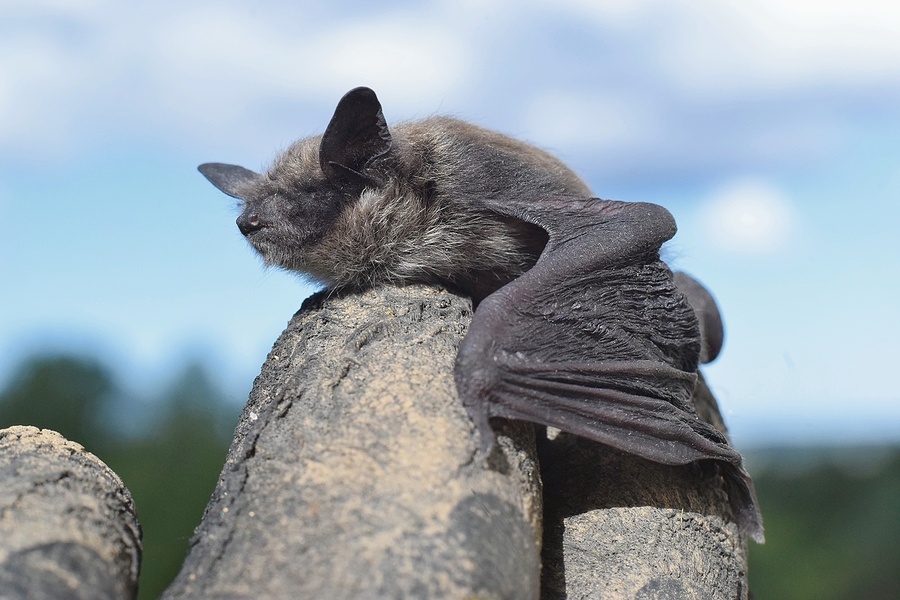
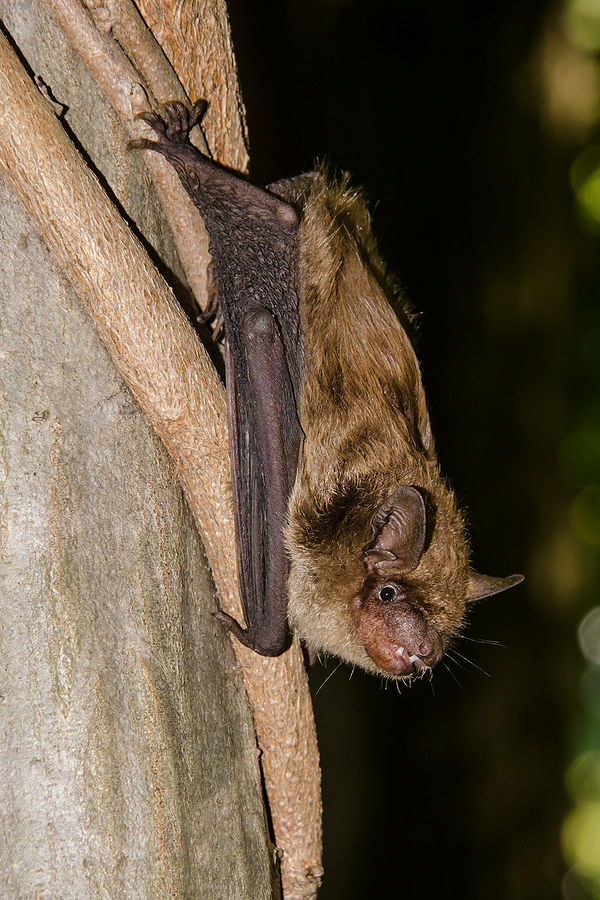
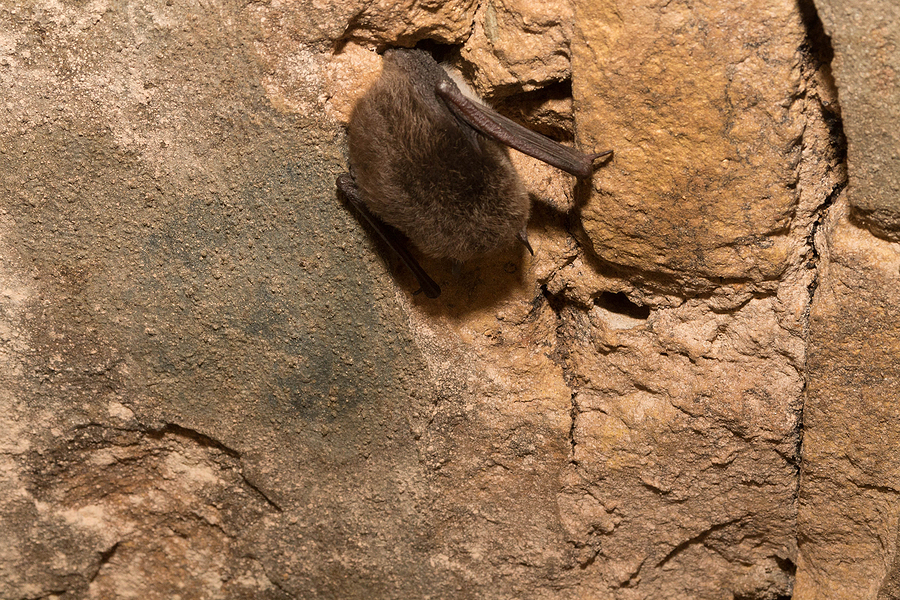
The Little Brown Bat is a small to medium-sized species, measuring around 3½ inches in length with a wingspan of approximately 10 inches and weighing just 10 grams—roughly the weight of two nickels. Their upperparts range from medium brown to buffy brown with a notably glossy coat, while the belly fur is a lighter gray-brown that contrasts sharply with the darker back.
Distinguishing Features
Several physical traits set this species apart from other Kentucky bats. Look for a short, blunt-tipped tragus (the small cartilage projection inside the ear), no keel on the calcar (the cartilage supporting the tail membrane), and notably long toe hairs that extend beyond the tips of the toes. These features, combined with their characteristic glossy fur, make the Little Brown Bat recognizable to trained wildlife professionals.
Where Do Little Brown Bats Live in Louisville?
Natural Habitats
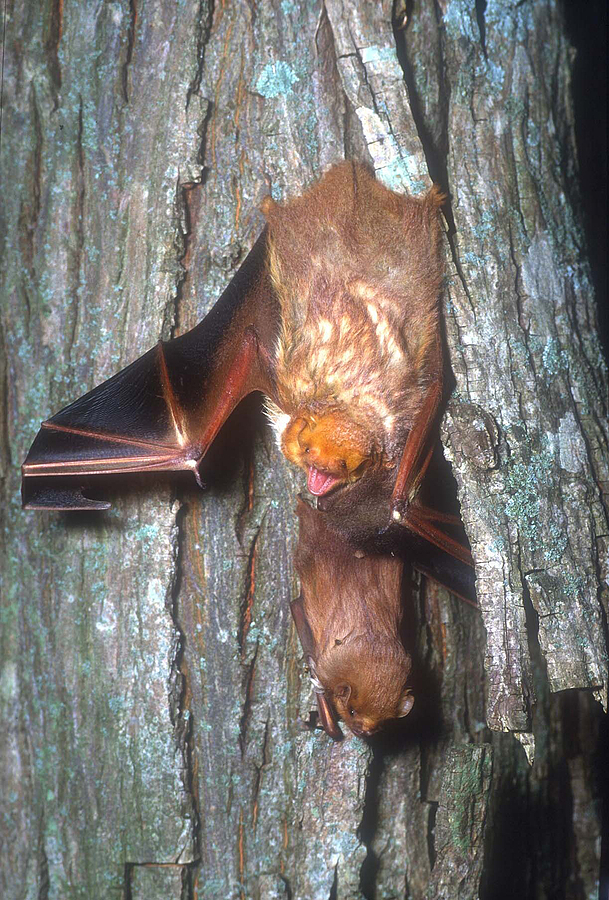
In the wild, Little Brown Bats favor foraging areas along woodland edges, stream corridors, parks, and suburban yards—all of which are plentiful throughout the Louisville metro area. During winter, they hibernate in caves, mines, and underground quarries, preferring areas with slightly warmer, moister conditions than most other Kentucky bat species. According to the Kentucky Department of Fish & Wildlife Resources, the species occurs throughout the state, though distribution shifts between seasons.
Urban and Suburban Roosts
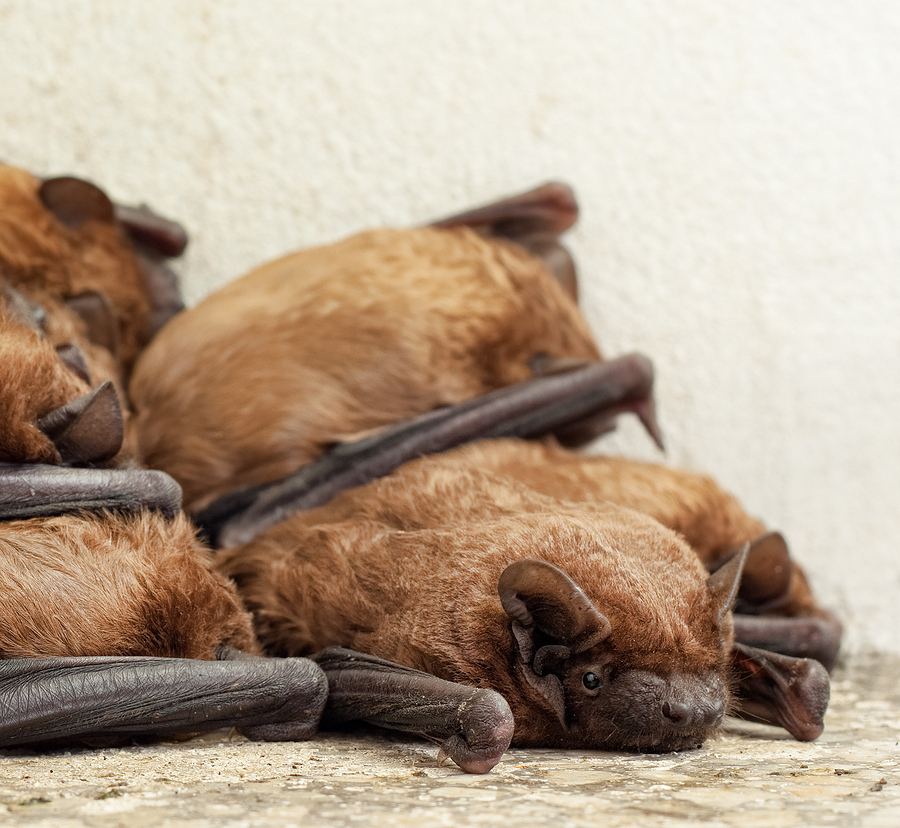
Little Brown Bats have adapted well to human environments. Females gather in maternity colonies—sometimes numbering in the hundreds—typically in warm, secluded areas like residential attics and barns. Males tend to roost separately in tree cavities, under bridges, or in other building spaces. If bats are roosting in your Louisville home, they are almost certainly Little Brown Bats or Big Brown Bats, the two species most likely to take up residence in buildings, according to the University of Kentucky Extension.
The Diet of Little Brown Bats
An Insect-Eating Machine
Little Brown Bats feed almost exclusively on flying insects—mosquitoes, midges, moths, caddisflies, small beetles, and more. Their appetite is staggering. According to the University of Kentucky Cooperative Extension, a single Little Brown Bat can consume up to 600 mosquitoes in a single hour. That level of pest control has real value for Louisville residents who spend time outdoors during warmer months.
Broader Ecosystem Benefits
Bats are the only major predators of night-flying insects, and their role in keeping insect populations in check is difficult to overstate. Without them, agricultural crops, gardens, and outdoor recreation would all suffer. This ecological importance is a key reason why humane, non-lethal bat management is both legally required and ethically sound in Kentucky.
The Lifecycle of Little Brown Bats
Mating and Reproduction
Little Brown Bats mate in the fall, but females store the sperm through winter in a process called delayed fertilization. Gestation lasts 50 to 60 days, and females typically give birth to a single pup in May or June. The young are capable of flight within about three to four weeks. This low reproductive rate—one pup per year, and no breeding until age two—makes bat populations especially slow to recover from disturbances, which is why legal protections are so critical.
Hibernation Patterns
As temperatures drop, Little Brown Bats in Kentucky migrate to caves or similar hibernation sites, typically from late fall through early spring. They return each year to the same summer roost sites, which means a bat colony that found its way into your attic will come back next season if entry points aren’t properly sealed.
Why Bat Control Matters in Louisville
Health Concerns
Bats are associated with two primary health risks. First, while most bats are not rabid, direct contact with a bat—especially one found indoors—warrants immediate medical evaluation, as rabies can be transmitted through bites that may not be visible.
Second, bat droppings (guano) can harbor Histoplasma capsulatum, the fungus responsible for histoplasmosis, a potentially serious lung infection transmitted by inhaling airborne spores from accumulated droppings, according to the Mayo Clinic. Guano buildup in an enclosed attic creates an ongoing inhalation risk that should be addressed promptly.
Property Damage
Beyond the health implications, a bat colony can cause significant structural damage. Guano accumulates quickly, saturating insulation, staining ceilings, and generating persistent musty odors that are difficult to eliminate without professional remediation. Body oils from roosting bats in attic leave brownish stains on exterior surfaces near entry points. The longer a colony occupies a structure, the more costly the cleanup.
Humane Bat Abatement Techniques
Exclusion Methods
The only permanent, legal solution for removing bats from a Louisville home is exclusion—physically preventing bats from re-entering the structure. This is a non-lethal approach that respects the ecological role of bats while solving the problem for homeowners. No pesticides are registered for bat control in Kentucky, and the use of fumigants is prohibited by state law.
One-Way Exclusion Devices
One-way bat valves or netting devices are installed over active entry points, allowing bats to exit at night but preventing them from returning. Once all bats have vacated—typically over the course of several nights—the device is removed and the opening is permanently sealed.
Sealing Entry Points
Bats can squeeze through gaps as small as ⅜ of an inch, which means a thorough inspection is essential. Entry points are sealed using latex or silicone caulk, metal flashing, mortar, weatherstripping, or ¼-inch hardware cloth over vents, depending on the location and material involved. Every opening must be addressed—leaving even one gap means the bats will find their way back in.
Critical timing note: In Kentucky, bats cannot be legally excluded between mid-May and mid-August, when flightless pups may still be present in the roost. Sealing entry points during this period can trap young bats inside, creating a far worse problem. The optimal exclusion window is late November through early March, or after the young have reached flight age in late summer.
When to Seek Professional Help
Signs of a Bat Infestation
Watch for these warning signs in and around your Louisville home:
- Guano accumulation near entry points or beneath roost areas
- Scratching, squeaking, or fluttering sounds from the attic or walls, particularly at dusk or dawn
- Bats exiting your home at sunset in a consistent pattern
- Brownish stains or musty odors near vents, rooflines, or attic access points
The Dangers of DIY Removal
Bat removal is not a do-it-yourself task. Improper handling carries the risk of bites and disease exposure. Home remedies—moth balls, ultrasonic devices, bright lights, and aerosol repellents—are not effective and are not recommended by wildlife experts. Perhaps most importantly, mishandling a bat colony in Louisville can put you in violation of Kentucky wildlife protection laws. A professional bat control service understands legal exclusion timelines, use proven techniques, and carry appropriate safety equipment.
Legal Protections for Bats in Kentucky
All bat species in Kentucky are protected under state wildlife law. It is illegal to kill bats unless they have been officially determined to be causing property damage. This protection reflects both the ecological value of bats and the significant population declines many species have experienced—largely due to white-nose syndrome, a devastating fungal disease that has caused severe mortality across North America, according to the U.S. Fish & Wildlife Service.
Humane exclusion is not just the ethical choice. In Kentucky, it is the legal one.
Frequently Asked Questions About Little Brown Bats in Louisville
Are Little Brown Bats dangerous?
Little Brown Bats are not aggressive and will not attack people or pets. However, any bat found indoors should be treated as a potential rabies exposure and reported to local health authorities. Their guano can also pose a histoplasmosis risk.
Can I remove bats from my attic on my own?
DIY bat removal is strongly discouraged. It is often ineffective, carries health risks, and may violate Kentucky wildlife protection laws if done improperly or during a protected roosting period.
When is the best time to have bats excluded from my home?
The safest and most effective window for bat exclusion in Kentucky is late November through early March. Exclusions are prohibited during mid-May through mid-August to protect flightless pups.
Will bats come back after exclusion?
If all entry points are properly sealed after exclusion, bats will not be able to re-enter. However, they will attempt to return each season, so thorough sealing is essential for a lasting solution.
Do Little Brown Bats in Louisville carry rabies?
While the vast majority of bats are not rabid, the risk is real enough that any direct contact—or potential contact while sleeping—should prompt a call to public health officials.
Protect Your Home the Right Way
Little Brown Bats are remarkable animals. They control insect populations, support healthy ecosystems, and represent millions of years of evolutionary adaptation. But a colony in your attic is a health hazard, a property liability, and a problem that won’t resolve itself.
Prompt, professional, and humane bat abatement is the right approach—for your family and for the bats. Request a free quote today for safe, humane bat removal and control services in Louisville, KY. Our trained specialists will assess your property, identify entry points, and develop a customized exclusion plan that protects your home while complying with all Kentucky wildlife regulations.
Related Posts:
Big Brown Bats: Identification, Habits, and Human Interaction
Protecting Federally Endangered Bat Species
Most Common Species of Bat Found in Kentucky