Spotting a bat inside your home is unsettling enough. Discovering it may have entered through one of your home’s vents is even more alarming. Vents are essential for your home’s ventilation, but they also create gaps in your exterior that bats—and other wildlife—are surprisingly good at exploiting.
Different vent types carry different levels of risk. Dryer vents, bathroom exhaust vents, and soffit vents each have structural characteristics that can make them vulnerable to bat entry, and knowing how each one works helps you take the right steps before a problem takes hold.
This guide breaks down each vent type, the warning signs to watch for, and what you can do to protect your home.
Can Bats Come Through Dryer Vents?
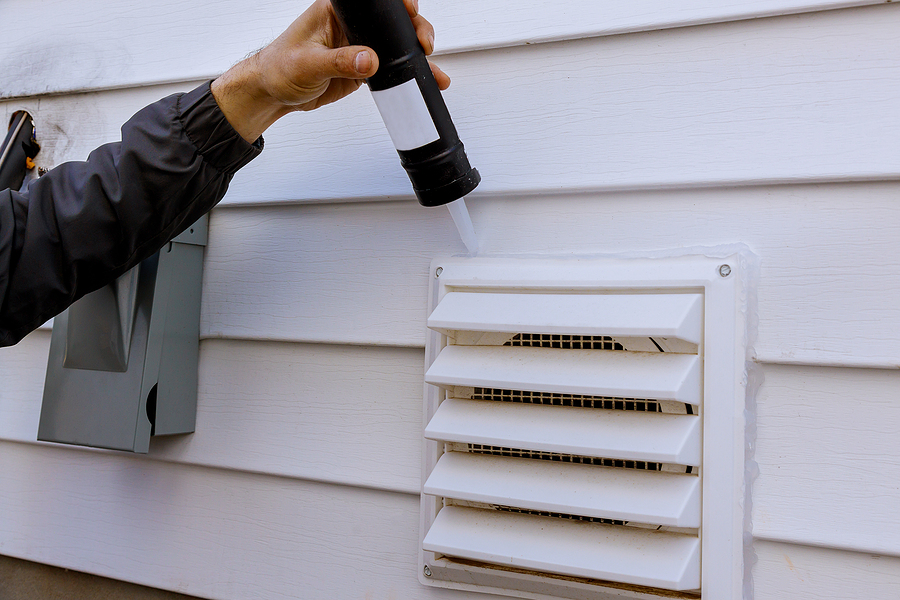
Yes—dryer vents are one of the more common entry points for bats. Most standard dryer vent covers use a flap-style louver that opens when your dryer is running and closes when it isn’t. The problem? That flap offers very little resistance. Bats can push past it or squeeze through gaps caused by wear and tear over time.
Why Dryer Vents Attract Bats
Bats are drawn to warmth and shelter. Your dryer vent emits warm, moist air—an inviting signal for a bat searching for a roosting spot. Standard “builder-quality” covers are often thin plastic or lightweight aluminum, materials that degrade quickly and create gaps that allow wildlife to slip through.
According to Bat Conservation International, bats can enter through openings as small as 5/16″ x 1½”—roughly the size of a pinky finger. Most worn dryer vent covers exceed that threshold without any obvious signs of damage.
Signs of Bat Activity in Your Dryer Vent
- A musty or ammonia-like smell coming from the vent area
- Dark, greasy stains around the vent cover from bat fur oils
- Small dark droppings (guano) near the vent opening
- Unusual scratching or fluttering sounds near the vent at dusk
How to Seal and Protect Your Dryer Vent
Replace standard flap covers with pest-proof vent covers made from powder-coated 26-gauge steel. These covers allow proper airflow without creating a gap wide enough for wildlife to exploit. A good vent cover should also feature balanced magnets that resist negative air pressure and animal pressure simultaneously.
Can Bats Enter Through Bathroom Exhaust Vents?
Bathroom exhaust vents present a similar risk to dryer vents. They push warm, humid air out of your home, and that exhaust stream can attract bats. Like dryer vents, many bathroom vents use flap-style covers on the exterior that can degrade, warp, or simply fail to close completely.
Why Bathroom Vents Attract Bats
Bats are nocturnal and highly sensitive to temperature changes. An exhaust vent that releases warm air into a cool evening creates a beacon—and if the cover is compromised, it becomes an open door. Bats that access a bathroom vent can travel further into wall cavities and attic spaces.
Health Risks From Bats Near Your Bathroom
Bat droppings carry a fungus called Histoplasma capsulatum, which causes histoplasmosis—a potentially serious respiratory illness spread through airborne spores. The closer a bat roost is to your living space, the greater the risk of spore exposure. Bats can also carry rabies, and their presence can attract secondary pests like mites, cockroaches, and beetles.
How to Block Bat Access to Bathroom Vents
Inspect your bathroom vent cover seasonally for cracks, warping, or loose fittings. Replace worn covers with pest-resistant alternatives that seal properly when not in use. If you notice bats near your bathroom vent, do not attempt to block the vent while bats may be present—this can trap them inside, creating a more serious problem.
Can Bats Get In Through Soffit Vents?
Of all the vent types in your home, soffit vents carry the highest risk. According to Maryland Wildlife Solutions, soffit vents are a common entry point for all species of wildlife, including bats.
Why Soffit Vents Are High-Risk Entry Points
Soffit vents are located along the eaves of your roof, working alongside ridge vents to draw cool air into the attic and push hot air out at the peak. This airflow creates a drafting effect that piques the curiosity of any animal searching for a warm, sheltered space to roost.
There’s also the issue of soffit returns—areas where the soffit meets the roofline. These contact points are frequently left unsealed during original home construction, leaving gaps wide enough for bats, squirrels, and raccoons to slip through unnoticed.
Structural Damage Risks From Soffit Bat Infestations
When bats access your attic through soffit vents, the resulting guano accumulation can cause serious damage. Bat guano is highly acidic and corrosive, capable of degrading wooden rafters and joints, destroying insulation (and its R-value), and damaging drywall ceilings below the attic. Large accumulations can also add significant weight, placing stress on attic structures over time.
Guano removal alone costs between $500 and $8,000, depending on the severity of the infestation (Angi, 2026). Structural repairs can add another $2,500 to $5,000 to that total.
How to Bat-Proof Your Soffit Vents
Most soffit vents can be made wildlife-proof by installing PEST-BLOK—a 23-gauge perforated metal that maintains proper airflow while preventing animal entry. Soffit returns that are open or improperly sealed should be reinforced with custom solutions based on the soffit style and pitch of your roofline.
Common Signs of Bats in Your Vents
Bats are nocturnal, so you may not see them directly. Watch for these warning signs instead:
- Sounds at dusk or dawn: Scratching, fluttering, or chirping sounds near vents
- Greasy stains: Dark, oily marks around vent openings from bat fur
- Guano: Small, dark droppings that may be shiny, found near entry points
- Odor: A persistent musty or ammonia-like smell near vent areas
- Bats flying near your home: Bats circling close to the roofline at sunrise or sunset
How to Prevent Bats From Entering Your Home’s Vents
Preventing bat entry is far less expensive than removing an established colony. Here are the most effective steps:
- Replace standard vent covers with heavy-duty pest-proof alternatives made from steel or galvanized metal
- Seal soffit returns with appropriate materials matched to your soffit style and roofline pitch
- Repair cracks and gaps around all vent systems using water-based silicone caulk or flashing—avoid expandable foam, which can trap bats and break down in heat
- Inspect your exterior annually, particularly before warmer months when bats begin searching for roosting sites
- Install chimney caps and ensure all attic screens are intact and undamaged
When in doubt, a professional inspection can identify entry points that are easy to miss. A professional bat control service can spot openings smaller than an inch wide that most homeowners overlook entirely.
Frequently Asked Questions
How quickly can bats damage my home?
Damage can accumulate faster than you’d expect. Bats roost in large numbers, and guano builds up continuously. Because guano is highly acidic, it begins corroding insulation, wood, and drywall over time. A colony left untreated for a single season can cause damage that requires thousands of dollars in repairs.
Is it safe to remove bats yourself?
DIY bat removal carries real risks—both legal and physical. Many bat species are federally and state-protected, and removing them outside of approved seasonal windows or using prohibited methods can result in significant penalties. Bats can also carry rabies and expose you to histoplasmosis during removal. Professional bat removal specialists use humane exclusion methods that comply with local regulations and protect you from direct contact.
What does professional bat removal cost?
According to Angi (2026), professional bat removal typically costs between $232 and $752 on average. Removing a small colony of fewer than 50 bats ranges from $230 to $1,500, while larger colonies of 50–200 bats can cost $1,500 to $5,000. Guano removal and structural repairs are separate costs that should be factored into your budget.
Protect Your Louisville Home Before Bats Do Permanent Damage
Bats don’t need a large opening to take up residence in your home. A compromised vent cover, an unsealed soffit return, or a cracked screen is all it takes. The longer an infestation goes unaddressed, the greater the structural damage—and the higher the cost to fix it.
If you suspect bats are entering your home through a vent, don’t wait. Call 502-410-2949 today to request a free estimate from our Louisville bat removal and control team. We’ll inspect your property, identify every entry point, and provide a safe, humane solution that keeps bats out for good.
Related Posts:
Are You Sharing Your Home with Bats? Here’s How to Know
Humane Bat Control for Your Louisville Home
Kentucky Bat Maternity Season: What Homeowners Need to Know