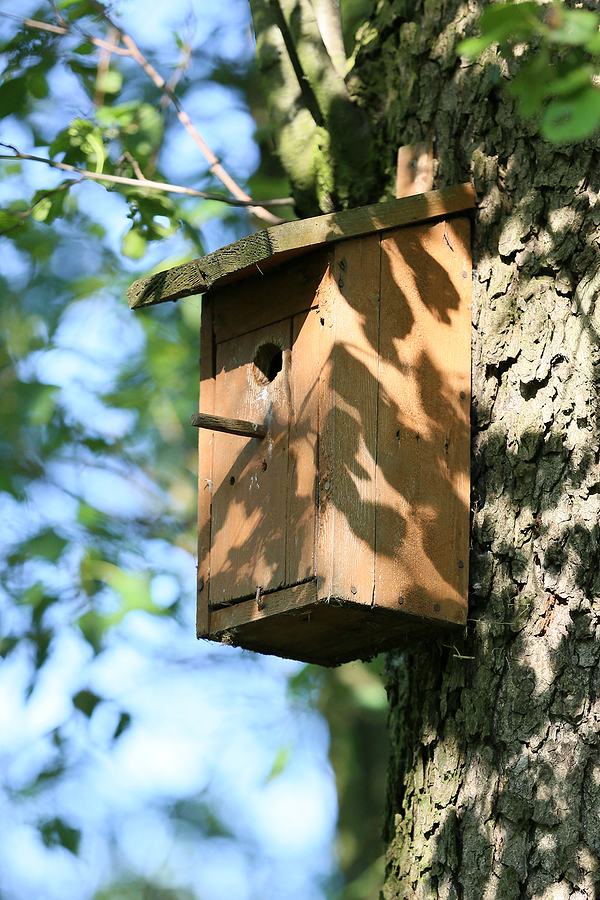
Best Sources for Bat House Blueprints and Plans

TL;DR: Looking for reliable bat house blueprints? The best free plans come from Bat Conservation International (four-chamber nursery house and rocket box designs), the U.S. Fish and Wildlife Service, National Wildlife Federation, and university extension programs. These trusted sources provide detailed measurements, materials lists, and construction steps to build effective bat shelters that actually attract bats.

Key Takeaways:

  • Bat Conservation International offers the most comprehensive plans, including their popular four-chamber nursery house and innovative rocket box design
  • Government agencies like USFWS provide free, research-backed blueprints optimized for bat occupancy
  • University extension programs from Cornell, Nebraska, and others share region-specific designs with precise construction guidance
  • Effective bat houses require specific features: minimum 24″ height, ¾” chamber spacing, roughened interior surfaces, and proper ventilation
  • Mounting location matters more than design—pole or building-mounted houses at 12-20 feet with 6-8 hours of sun exposure yield best results

Table of Contents:

  1. Top Free Bat House Blueprints
  2. Detailed Woodworking Plans for Bat Shelters
  3. Conservation Organizations Providing Designs
  4. Important Features for Effective Bat Boxes
  5. FAQ: Common Questions on Bat House Construction
  6. Quick Recap
  7. Help With Nuisance Bats in Louisville
Download Bat House Blueprints for Spring!

Top Free Bat House Blueprints

The most popular and effective bat house blueprints come from Bat Conservation International, the U.S. Fish and Wildlife Service, and the National Wildlife Federation. These organizations have conducted extensive research to determine which designs bats actually use.

Bat Conservation International’s four-chamber nursery house plan stands as the gold standard. This design creates multiple roosting chambers that allow bats to move between temperature zones as needed. The plans include exact cutting diagrams for two houses from a single sheet of plywood, making it cost-effective for beginners.

For something more advanced, BCI’s rocket box design offers a pole-mounted option with continuous, 360-degree chambers. This innovative design proved 6% more successful at attracting bats in field studies, though slightly less likely to support nursery colonies.

The U.S. Fish and Wildlife Service provides a straightforward single-chamber design perfect for first-time builders. Their illustrated guide covers southeastern bat species and includes basic construction steps using readily available materials.

The National Wildlife Federation offers an excellent step-by-step tutorial with photos of each construction phase. Their plans walk you through everything from cutting grooves to selecting the right paint color based on your climate zone.

Detailed Woodworking Plans for Bat Shelters

University extension programs offer some of the most detailed woodworking plans available, with precise measurements and regional adaptations.

Cornell Cooperative Extension provides a single-chamber bat house plan with optional modifications for wider houses, taller versions, and dual back-to-back mounting between poles. Their instructions specify exact screw sizes (1″ exterior-grade screws) and include ventilation guidance for different climates.

The Nebraska Extension bat house construction guide emphasizes the importance of size—recommending houses at least 24″ tall by 16″ wide by 4″ deep (1,536 cubic inches). Their plans include bracket designs for pole mounting and address predator protection strategies.

These extension programs typically recommend:

  • ½” ACX or BC exterior-grade plywood (never pressure-treated wood)
  • ¾” x 1½” furring strips for chamber spacing
  • Horizontal grooves cut ¼” to ½” apart, 1/32″ to 1/16″ deep
  • Dark water-based stain for interior surfaces (never paint, which fills grooves)
  • Three coats of exterior paint or stain on the outside

Conservation Organizations Providing Designs

Leading conservation groups have developed bat house designs based on years of field research and occupancy studies. The Canadian Wildlife Federation recently published updated guidelines from their Canadian Bat Box Project. Their research found that houses with a minimum length of 45 cm (18″), three or more chambers with 2.5 cm (1″) spacing, and proper ventilation performed best. They emphasize installing multiple houses with varying sun exposure to give bats temperature options.

Bat Conservation International’s Bat House Builder’s Handbook remains the most comprehensive resource available. This detailed guide covers everything from chamber spacing (¾” to 1″ is ideal for most North American bats) to landing area dimensions (3-6 inches extending below entrances).

The handbook reveals critical details often overlooked in basic plans:

  • All partitions and landing areas must be roughened for bat grip
  • Houses should have 3-6 inch landing areas below entrances
  • Ventilation slots (½” wide) are essential where July temperatures average 85°F or above
  • Roost chambers should be at least 20″ tall and 14″ wide minimum
  • Wider (24″+) and taller (36″+) houses attract larger colonies

Important Features for Effective Bat Boxes

Several specific design features determine whether bats will actually occupy your bat house.

Size matters significantly. Research consistently shows that houses with roost chambers at least 20 inches tall and 14 inches wide achieve much higher occupancy rates. Houses mounted on buildings with chambers at least 20″ wide had 82% occupancy rates, while those at least 25″ tall achieved 90% occupancy.

Chamber spacing should be carefully controlled at ¾” to 1″ apart. This spacing accommodates most North American crevice-roosting bat species. Three-quarter inch spacing generally works best and reduces attraction to wasps, rodents, and birds. Larger species like pallid bats may prefer 1″ to 1½” crevices.

Interior surfaces require roughening to provide footholds. Cut horizontal grooves ¼” to ½” apart, 1/32″ to 1/16″ deep. Never use metal mesh (too abrasive) or nylon screening (degrades quickly and can trap bats). Heavy-duty plastic mesh can work if securely stapled every two inches, though properly grooved wood remains the gold standard.

Ventilation prevents lethal overheating. A ½” horizontal slot should run side-to-side about 6″ from the bottom for houses 3′ or taller. In hot climates, additional ¾” vertical vents (6″ long) at each end of rear chambers help regulate temperature. Cold northern climates may not need ventilation slots.

Proper sealing is essential. Caulk all seams to prevent drafts and water leaks. Paint or stain exteriors three times (primer first), but only stain interiors with dark water-based products—never paint inside chambers, as it fills the grooves bats need for grip.

If you’re dealing with bats in unwanted areas of your home or business, professional help is available. Our Louisville bat removal and control service provides humane solutions for residential and commercial properties. We can safely exclude bats from structures while helping you install proper bat houses nearby, giving these beneficial animals an alternative roosting location. Reach out for expert guidance on bat management tailored to your property’s specific needs.

FAQ: Common Questions on Bat House Construction

Where should I mount my bat house?

Mount bat houses on poles or buildings 12 to 20 feet above ground, with at least 20-30 feet of clear flight space around them. Pole and building-mounted houses are occupied in less than half the time compared to tree-mounted houses. Position houses to receive 6-8 hours of direct sunlight, typically facing east or south. The best locations are within a quarter mile of water sources like streams, rivers, or lakes.

What color should I paint my bat house?

Paint color depends on your local climate. Check your average July high temperature, then follow these guidelines: black for areas under 85°F, dark to medium shades for 85-95°F, medium to light shades for 95-100°F, and white for areas above 100°F. Always use water-based exterior paint or stain, applying three coats (primer first) to the outside only.

How long does it take for bats to occupy a bat house?

Bat houses often remain unoccupied initially. The longer a house stays up, the more likely it gets used—sometimes taking 1-3 years or more. Bats are long-lived animals that return to the same roosts for many years once established. Install houses before bats return from hibernation in spring (late winter/early spring) for best results.

Can I use treated lumber for bat houses?

Never use pressure-treated wood or wood with arsenic-based preservatives for bat houses. These chemicals can harm bats. Use only exterior-grade plywood (AC, BC, or T1-11 grades) and untreated pine or cedar for other components. Protect wood with non-toxic, low-VOC water-based paints or stains applied to exterior surfaces only.

How many bats can live in a bat house?

A well-designed four-chamber nursery house can accommodate 100-300 bats. Expanding width to 48 inches and mounting houses back-to-back between poles can shelter up to 1,800 bats. Single-chamber houses typically attract smaller colonies of 50-100 bats. Larger houses with more chambers consistently attract bigger colonies.

Quick Recap:

  • Bat Conservation International provides the most trusted blueprints, including four-chamber nursery houses and rocket box designs
  • Government sources like USFWS and university extensions offer free, research-backed plans with detailed construction steps
  • Minimum effective size: 24″ tall x 16″ wide with chambers at least 20″ tall
  • Chamber spacing: ¾” to 1″ between partitions for optimal bat use
  • Roughened surfaces: Horizontal grooves cut ¼” to ½” apart, 1/32″ to 1/16″ deep
  • Ventilation required: ½” horizontal slot 6″ from bottom in climates averaging 85°F+ in July
  • Mounting matters: Install on poles/buildings 12-20 feet high with 6-8 hours of sun exposure
  • Multiple chambers: Three or more chambers provide temperature options bats prefer
  • Caulk all seams: Prevent drafts and water infiltration that discourage bat occupancy
  • Paint exterior only: Use climate-appropriate colors, never paint interior chambers

Creating Habitat for These Essential Mammals

Building a bat house provides critical roosting habitat for declining bat populations while offering natural pest control for your property. With the right blueprints from trusted conservation organizations and careful attention to proven design features, you can create a shelter that bats will actually use.

The most successful bat house projects combine quality construction with strategic placement. Remember that patience pays off—even houses in ideal locations may take a year or more to attract their first residents. Once bats discover your house, they often return year after year, establishing a colony that benefits both the bats and your local ecosystem.

Whether you choose a simple single-chamber design or an advanced multi-chamber rocket box, following evidence-based plans from Bat Conservation International, government agencies, or university extensions gives your project the best chance of success.

If you’re experiencing concerns with bats in your home or business, our Louisville bat removal and control service is here to help. We specialize in humane and effective solutions for both residential and commercial properties, ensuring the safety of your space while protecting these vital creatures. Contact us today to schedule an inspection and take the first step toward a bat-free environment!

Call Now to Get a Quote

Related Post: Why Homeowners Put Up Bat Houses
Nocturnal Behaviors of Bats: Facts About These Nighttime Navigators

TL;DR: Bats are fascinating nocturnal creatures essential for our ecosystem. This post uncovers their behaviors, diet, and why they matter.

Key Takeaways:

  • Bats are crucial for pollination and pest control.
  • Their nocturnal habits help them avoid predators.
  • Understanding bats can help in conservation efforts.

Table of Contents:

  1. What Makes Bats Nocturnal?
  2. What Do Bats Eat at Night?
  3. Where Do Bats Live?
  4. Why Are Bats Important?
  5. How Can I Protect Bats?
  6. FAQ About Bats
  7. Quick Recap
  8. Conclusion

Bats often get a bad rap. Thanks to centuries of folklore and horror movies, many people associate these winged mammals with haunted houses and vampires. In reality, bats are fascinating, gentle, and ecologically essential creatures that do far more good than harm.

While they might seem mysterious darting through the twilight, their behaviors are driven by evolutionary genius. Understanding why bats rule the night—and how they contribute to our world during the day—is key to appreciating these misunderstood neighbors.

Call 502-553-7622 for Professional Bat Removal Service in Louisville

What Makes Bats Nocturnal?

It is a common misconception that bats are blind or that sunlight hurts them. The truth is much more practical. Bats are nocturnal primarily to avoid predators and reduce competition for food.

Avoiding the Competition

If bats flew during the day, they would have to compete with birds for insects and space. Birds are agile, fast, and dominate the daytime skies. By shifting their schedule to the night shift, bats have exclusive access to the millions of insects that are active after dark, including mosquitoes and moths.

Escaping Predators

The cover of darkness provides a significant safety advantage. During the day, bats would be easy targets for hawks, falcons, and other birds of prey. At night, their dark coloring and erratic flight patterns make them difficult for nocturnal predators, like owls, to catch.

Evolutionary Adaptations: Echolocation

To navigate the pitch-black night, bats evolved a superpower: echolocation. They emit high-frequency sound waves that bounce off objects and return to their ears. This “biological sonar” allows them to map their surroundings in total darkness, detecting obstacles as fine as a human hair and pinpointing tiny insects with incredible precision.

What Do Bats Eat at Night?

Not all bats are after your blood. In fact, out of more than 1,400 species worldwide, only three—found exclusively in Latin America—feed on blood. The vast majority of bats have much more diverse palates.

Insectivores (Insect Eaters)

Most bats, including the majority of species in North America, are insectivores. A single little brown bat can consume up to 1,200 mosquito-sized insects in just one hour. This makes them natural pest controllers, protecting crops and making backyard barbecues much more pleasant.

Frugivores and Nectarivores

In tropical and desert climates, many megabats (Megachiroptera) feed on fruit or nectar. These bats play a similar role to bees and butterflies. As they travel from flower to flower drinking nectar, they pollinate plants. When they eat fruit, they spread seeds through their droppings, helping to regenerate forests.

Carnivores

A small percentage of bat species are carnivorous, hunting small vertebrates like frogs, lizards, fish, and even other bats. These species are generally larger and have specialized adaptations for hunting distinct prey.

Learn About Vampire Bats

Where Do Bats Live?

Bats can be found on nearly every continent, except for Antarctica. Their roosting habits are as varied as their diets.

Natural Roosts

In the wild, bats seek shelter in caves, rock crevices, and hollow trees. Caves offer stable temperatures and humidity levels, which are crucial for hibernation during winter months.

Urban Structures

As natural habitats shrink, bats have adapted to human-made structures. It is not uncommon to find them roosting under bridges, in old barns, or in the attics of homes. Attics mimic the warmth and safety of a hollow tree, making them attractive maternity sites for female bats raising their pups.

Habitat Loss

Unfortunately, habitat destruction is a major threat to bat populations. When forests are cleared or caves are disturbed, bats lose the safe havens they need to sleep and reproduce. This displacement often forces them into closer contact with humans, which can lead to conflict.

Why Are Bats Important?

It is difficult to overstate the ecological importance of bats. They are silent workhorses that support our economy and environment in ways we often take for granted.

Pest Control

Insectivorous bats save the U.S. agricultural industry billions of dollars annually by consuming crop-destroying pests. Without bats, farmers would need to use significantly more chemical pesticides, which can harm the environment and human health.

Pollination

Bats are the primary pollinators for hundreds of plant species, including those that give us mangoes, bananas, and agave (the plant used to make tequila). Without bats, these plants would struggle to reproduce, affecting food supplies and local economies.

Seed Dispersal

Fruit-eating bats are often called “farmers of the tropics.” They can disperse seeds over vast distances, helping to restore rainforests that have been cleared or damaged. Their role in reforestation is critical for combating climate change and maintaining biodiversity.

How Can I Protect Bats?

Bat populations are declining due to habitat loss, white-nose syndrome (a deadly fungal disease), and persecution by humans. Fortunately, there are simple steps you can take to help.

Install a Bat House

Providing a safe place for bats to roost is one of the best ways to support them. You can buy or build a bat house and mount it on a pole or the side of a building, facing south or southeast to get plenty of sun. This gives them a safe alternative to your attic.

Avoid Pesticides

Since bats eat insects, using chemical pesticides can reduce their food supply or poison them directly. Opt for natural pest control methods to keep your garden safe for wildlife.

Leave Dead Trees

If a dead tree on your property doesn’t pose a safety hazard, consider leaving it standing. Snags (dead trees) provide excellent natural roosting spots for bats and other wildlife.

FAQs About Bats

Are bats blind?

No, bats are not blind. While they rely heavily on echolocation to hunt at night, they have functioning eyes and can see quite well, especially in low light conditions.

Do bats fly into people’s hair?

This is a myth. Bats are incredibly agile fliers with sophisticated navigation systems. They have no interest in tangling themselves in your hair and will generally do everything they can to avoid you.

What should I do if I find a bat in my house?

If a bat flies into your home, stay calm. Close interior doors to confine it to one room and open windows to the outside. Do not try to handle the bat. If it does not leave or if it is roosting in your attic, contact a professional.

Do all bats carry rabies?

While bats can carry rabies, less than 1% of bats in the wild are infected. However, because rabies is fatal, you should never touch a bat with bare hands. If you are bitten or scratched, seek medical attention immediately.

Quick Recap

  • Nocturnal Nature: Bats are active at night to avoid predators and competition from birds.
  • Diverse Diet: They eat insects, fruit, and nectar, playing key roles in pest control and pollination.
  • Global Residents: Bats live in caves, trees, and buildings across the globe.
  • Ecological Heroes: They save agriculture billions and help regrow forests.
  • Conservation: You can help by installing bat houses and reducing pesticide use.

Conclusion

Bats are essential allies in maintaining a healthy planet. From keeping mosquito populations in check to pollinating the plants we rely on for food, their contributions are immeasurable. Rather than fearing the shadows they cast, we should appreciate the vital role they play in our ecosystem.

However, while we want to protect bats, we also need to maintain healthy boundaries. Bats belong in nature, not in your attic or walls. If you suspect you have a colony roosting in your home, it is important to address the issue safely and humanely.

For residents in Louisville, Kentucky, attempting to remove bats yourself can be dangerous and may violate local wildlife laws, especially during maternity season. If you need assistance, contact our professional bat removal service in Louisville to ensure the bats are excluded safely and your home is secured against future entry.

Call Now for a Free Quote

Related Post: Bat Roosting Season in Louisville: What Residents Need to Know

Big Brown Bats: Identification, Habits, and Human Interaction

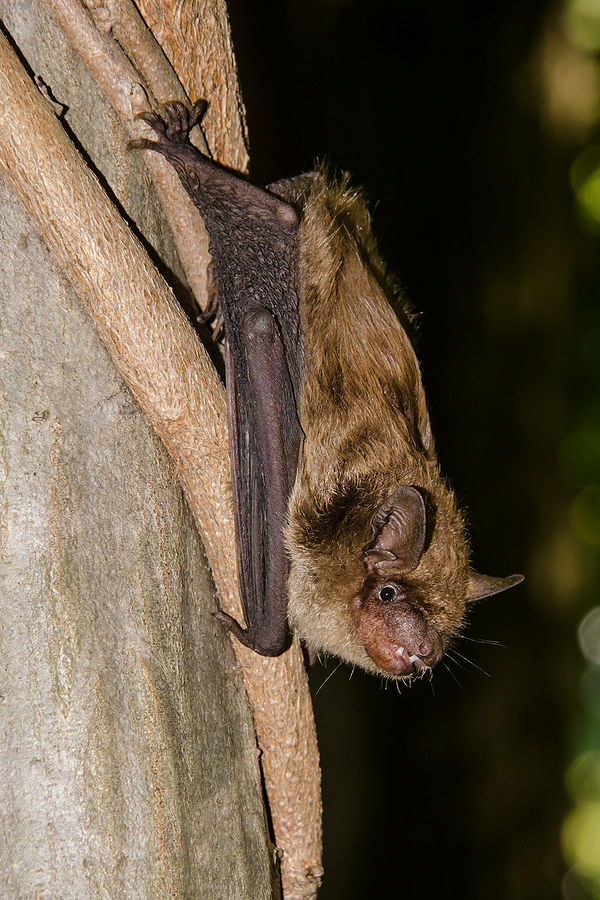
As the sun sets across North America, a silent workforce takes to the skies. While many of us are winding down for the evening, the Big Brown Bat (Eptesicus fuscus) is just starting its day. These resilient mammals are among the most widespread bat species on the continent, familiar to both city dwellers and rural residents alike.

Despite their prevalence, misunderstandings about these creatures persist. Are they dangerous pests, or are they essential allies in our ecosystem? For homeowners, discovering a bat in the attic can be a source of anxiety, yet for farmers and gardeners, these animals are invaluable natural pest controllers.

This guide explores the life of the Big Brown Bat, from its physical traits to its critical role in the environment. We will also discuss how to handle unexpected encounters and the best practices for humane removal if they decide to move into your home.

Big Brown Bat
Big Brown Bat

Identifying a Big Brown Bat

Identifying a Big Brown Bat correctly is the first step in understanding them. As their name suggests, they are larger than many other common species, such as the Little Brown Bat, though they are still relatively small mammals.

A typical Big Brown Bat weighs between 0.5 to 0.7 ounces (15 to 21 grams)—roughly the weight of a standard alkaline battery. Their most striking feature is their impressive wingspan, which ranges from 13 to 16 inches. Their fur is long and oily, ranging from a glossy chocolate brown to a reddish-brown hue, while their belly fur is slightly lighter.

Distinguishing them from other species can be tricky without a close inspection. However, looking at the nose and ears provides clues. They have a broad nose and rounded, black ears. Unlike some species, they do not have fur on their wings or tail membranes, which are black and leathery.

Range and Habitat

Adaptability is a hallmark of the Big Brown Bat. These hardy creatures have an extensive range that stretches from the northern tips of Canada down through the United States, Mexico, Central America, and even into the Caribbean and northern South America.

Their hardiness allows them to thrive in diverse environments. In the wild, they roost in hollow trees, beneath loose bark, and in rock crevices. However, they have adapted remarkably well to human expansion. It is quite common to find them roosting in man-made structures such as:

  • Attics and wall voids
  • Barns and silos
  • Church steeples
  • Shutters and eaves
  • Bat houses

During the winter, unlike birds that migrate south, Big Brown Bats often hibernate in local caves, mines, or even the walls and attics of heated buildings if temperatures remain stable enough to keep them from freezing.

Diet

One of the most compelling reasons to appreciate these nocturnal neighbors is their diet. Big Brown Bats are insectivores, and their appetite is voracious.

Using echolocation—a biological sonar where they emit high-frequency sounds that bounce off objects—they can detect and capture flying insects in total darkness. They are essentially aerial acrobats, capable of erratic and swift flight patterns to snatch prey mid-air.

Their preferred menu consists largely of beetles, including the cucumber beetle and the June beetle, which are notorious agricultural pests. They also consume moths, wasps, flying ants, and mosquitoes.

A single colony of Big Brown Bats can consume millions of insects in a single summer, providing a natural and chemical-free form of pest control that benefits agriculture and local gardens immensely.

Schedule a Free Bat Control Inspection in Louisville

Reproduction and Life Cycle

The reproductive cycle of the Big Brown Bat is a fascinating process timed perfectly with the seasons. Mating typically occurs in the fall before hibernation, but the female stores the sperm during the winter. Fertilization actually occurs in the spring when the bats wake from hibernation and ovulation begins.

In late spring or early summer, females form maternity colonies. These are groups of females that gather in a warm, safe location to give birth and raise their young. Each female usually gives birth to one or two pups per year.

The pups are born hairless and blind but grow rapidly. Within a month, they are usually ready to fly and begin foraging on their own. By late summer, the maternity colonies begin to disperse as the bats prepare for the coming winter.

Big Brown Bats and Humans: Benefits and Concerns

The relationship between humans and Big Brown Bats is complex. On one hand, they provide significant economic and environmental benefits. On the other, close contact can present health risks and nuisances.

Ecological Benefits

The primary benefit is pest suppression. By consuming vast quantities of crop-damaging insects, bats save the agricultural industry billions of dollars annually in pesticide costs and crop damage. For the average homeowner, a local bat population means fewer mosquitoes and garden pests.

Health and Safety Concerns

Despite their benefits, bats are wild animals and can carry diseases. The most serious concern is rabies. While less than 1% of wild bats carry rabies, the virus is fatal if untreated. Any physical contact with a bat—such as waking up to find one in your room—should be treated as a potential exposure.

Histoplasmosis is another concern. This respiratory disease is caused by a fungus that grows in bat guano (droppings). If a colony takes up residence in your attic, the accumulation of guano can become a health hazard if the spores become airborne and are inhaled.

Additionally, bats in the home can cause structural damage through the accumulation of urine and guano, which can stain ceilings, ruin insulation, and create unpleasant odors.

Conservation Status and Efforts

Currently, the Big Brown Bat is listed as a species of “Least Concern” by the IUCN Red List. Their ability to adapt to human-altered landscapes and utilize buildings for roosting has helped their populations remain relatively stable compared to other species.

However, they are not immune to threats. White-nose syndrome, a fungal disease that has decimated North American bat populations, affects Big Brown Bats, though they appear to be more resistant to it than their cousins, the Little Brown Bats.

Habitat loss, pesticide use, and direct persecution by humans also pose ongoing risks. Conservation efforts focus on protecting hibernation sites and educating the public on the importance of bats to reduce indiscriminate killing.

Humane Bat Control Strategies for Homeowners

Finding a bat in your house or realizing a colony is living in your attic requires a careful, humane approach. It is illegal in many places to kill bats, and it is also often illegal to remove them during the maternity season (typically late spring to late summer) because flightless pups would be trapped inside and die.

Exclusion is Key

The most effective way to manage bats is through exclusion, not extermination. This involves:

  • Identifying Entry Points: Bats can squeeze through holes as small as a dime. Inspect your home for gaps in siding, vents, and eaves.
  • Installing One-Way Doors: These devices allow bats to leave the roost at night to hunt but prevent them from re-entering.
  • Sealing the Gaps: Once you are certain all bats have vacated the premises (usually after leaving the one-way doors up for several days), you can permanently seal the entry points.

Professional Assistance

Because of the legal protections regarding maternity seasons and the health risks associated with guano cleanup, bat removal is often best left to professionals.

If you are dealing with a bat issue in your home or business, do not attempt to handle the animals yourself. For residents in our area, we recommend seeking professional help to ensure the safety of both your family and the wildlife.

Final Thoughts

Big Brown Bats are remarkable creatures that play a vital role in keeping our environment healthy. While they may not be the ideal house guests, they are certainly neighbors worth having. By understanding their behaviors and benefits, we can learn to coexist peacefully, ensuring that they continue to patrol our night skies for generations to come.

Need help with a bat problem? If you suspect you have unwanted guests in your attic or eaves, Contact Us Today for safe and humane bat removal services in Louisville, Kentucky. We specialize in exclusion techniques that protect your home while respecting the local ecosystem.

Call Now to Book Service

Related Post: All the Reasons Why You Should Love Bats

Histoplasmosis and the Hidden Dangers of Bats in Your Attic

Discovering bats in your attic can be alarming. While these creatures play a vital role in our ecosystem, their presence in your home poses significant health risks. One of the most serious concerns is histoplasmosis, a respiratory infection caused by a fungus that thrives in bat droppings. For homeowners in Kentucky, understanding this connection is the first step toward protecting your family and property.

This guide will explain what histoplasmosis is, how it’s linked to bat infestations, and its prevalence in Kentucky. We’ll cover the symptoms, diagnosis, and treatment of this disease, as well as practical steps for prevention and the importance of professional bat removal. By the end, you’ll have the knowledge you need to handle a bat problem safely and effectively.

Call 502-553-7622 for Professional Bat Removal in Louisville Kentucky

What is Histoplasmosis?

Histoplasmosis is an infection caused by inhaling the spores of a fungus called Histoplasma capsulatum. This fungus is commonly found in soil that contains large amounts of bird or bat droppings, also known as guano. When soil or accumulated droppings are disturbed—through activities like cleaning an attic, gardening, or construction—the fungal spores can become airborne and be inhaled, leading to infection.

While many people who inhale the spores never get sick, others can develop a flu-like illness. For individuals with weakened immune systems, the elderly, or infants, histoplasmosis can become a severe and even life-threatening condition.

The Link Between Bats and Histoplasmosis

Bats, particularly the microbats common in North America, often roost in dark, undisturbed places like caves, old barns, and residential attics. Over time, their droppings accumulate, creating an ideal environment for the Histoplasma fungus to grow. A significant bat infestation in an attic can lead to large deposits of guano, turning the space into a potential source of infection.

When homeowners attempt to clean up bat guano without proper precautions, they risk disturbing the fungal spores and inhaling them. This is why it is crucial to address a bat problem with professional assistance.

Histoplasmosis in Kentucky

The Ohio and Mississippi River valleys, which include Kentucky, are known hotspots for histoplasmosis. The region’s soil and climate conditions are favorable for the Histoplasma fungus. According to data from the Kentucky Department for Public Health, the state consistently reports cases of histoplasmosis each year.

While exact numbers fluctuate, Kentucky remains one of the states with the highest incidence rates in the country. This prevalence underscores the importance for residents to be aware of the risks associated with bat diseases and infestations.

Symptoms, Diagnosis, and Treatment

The symptoms of histoplasmosis can vary widely depending on the severity of the infection.

Symptoms

Many people with histoplasmosis have no apparent symptoms. When symptoms do occur, they typically appear 3 to 17 days after exposure and may include:

  • Fever and chills
  • Headache
  • Muscle aches
  • Dry cough
  • Chest pain
  • Fatigue

In more severe cases, especially among those with compromised immune systems, the infection can spread from the lungs to other parts of the body, such as the brain and spinal cord. This is known as disseminated histoplasmosis and requires immediate medical attention.

Diagnosis and Treatment

Diagnosing histoplasmosis can be challenging because its symptoms resemble other respiratory illnesses. A doctor may use a combination of blood tests, urine tests, chest X-rays, or tissue samples to confirm a diagnosis.

For mild cases, treatment may not be necessary, as the infection often resolves on its own. However, for chronic or severe cases, doctors typically prescribe antifungal medications. Treatment can last from several months to a year, depending on the patient’s condition.

Schedule a Free Bat Removal Inspection Now

Preventing Bat Infestations in Your Home

The most effective way to prevent histoplasmosis from a bat infestation is to prevent bats from entering your home in the first place. Here are some practical bat control tips:

  • Seal Entry Points: Regularly inspect your home’s exterior for cracks and openings. Bats can squeeze through holes as small as a dime. Seal gaps in siding, around pipes, and near the foundation with caulk or expanding foam sealant.
  • Cover Chimneys: Install a properly fitted chimney cap to prevent bats and other wildlife from entering.
  • Install Screens: Make sure all windows, doors, and vents have intact screens. Repair any tears or holes promptly.
  • Trim Trees: Keep tree branches trimmed away from your roofline. Bats often use overhanging limbs to access your roof and find entry points.
  • Attic Ventilation: Ensure your attic has proper ventilation. This helps reduce moisture and makes the space less attractive to bats.
  • Regular Inspections: Periodically conduct an attic inspection. Look for signs of bat activity, such as droppings (guano), staining on walls, or scratching noises.

Why You Need a Professional Wildlife Removal Company

If you discover bats in the attic, do not attempt to remove them or clean up the droppings yourself. Handling a bat infestation requires specialized knowledge and equipment to ensure safety and compliance with wildlife regulations.

Benefits of Professional Bat Removal

  • Safe and Humane Removal: Professionals are trained to remove bats safely and humanely, without harming the animals or your property.
  • Thorough Inspection: A wildlife removal company will conduct a comprehensive attic inspection to identify all entry points and nesting areas.
  • Effective, Long-Lasting Solutions: Experts will seal entry points to prevent bats from returning, providing a permanent solution.
  • Proper Guano Cleanup: Professionals use protective gear and specialized techniques to safely remove bat guano and decontaminate the area, minimizing health risks.
  • Compliance with Regulations: In Kentucky, several bat species are protected. A licensed service understands and adheres to all local and federal laws regarding wildlife management.

Secure Your Home and Health

A bat infestation is more than just a nuisance; it’s a serious health hazard. Histoplasmosis is a real threat in Kentucky, but with awareness and proactive measures, you can protect your home and family. By sealing potential entry points and recognizing the signs of an infestation, you can prevent bats from making your home theirs.

If you suspect you have bats in your attic, the safest and most effective step is to contact a professional. A trained expert can assess the situation, remove the bats humanely, and ensure your home is secure.

Don’t wait until a small problem becomes a major health risk. Schedule a professional bat inspection today to ensure your home is safe and bat-free.

Call to Book a Free Inspection

Related Post: How to Identify a Bat Infestation and Have Them Removed Safely

Get The Real Story Behind Vampire Bats This Halloween

Trick or Treat!
Trick or Treat!

As October nights grow longer and jack-o’-lanterns flicker on front porches across Louisville, bats take flight against the moonlit sky—a quintessential Halloween scene. While these nocturnal creatures have long been associated with vampires and horror stories, the real vampire bats of the Americas tell a far more fascinating tale than any Hollywood movie could conjure.

Despite their fearsome name and spooky reputation, vampire bats are remarkable creatures whose biology and behavior challenge everything you might think you know about these Halloween icons. Far from the bloodthirsty monsters of legend, these small mammals have evolved extraordinary adaptations that make them invaluable to medical research and essential members of their ecosystems.

Whether you’re curious about the science behind these misunderstood, sanguineous creatures or dealing with bats in your Louisville home, understanding the truth about vampire bats can help separate fact from fiction this Halloween season.

What Are Vampire Bats? Separating Myth from Reality

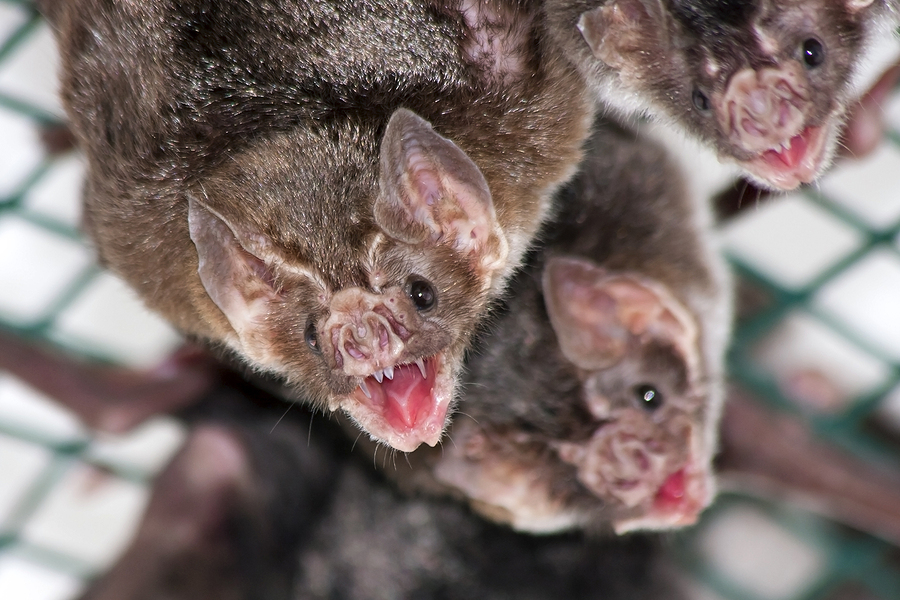
Only three species of vampire bats exist worldwide, all native to Central and South America. These small mammals—typically measuring just three inches long with a seven-inch wingspan—are far removed from the massive, menacing creatures depicted in classic horror films. The common vampire bat (Desmodus rotundus) is the most well-known species and the primary focus of scientific research.

Although sanguineous, Vampire bats don’t actually “suck” blood as popular culture suggests. Instead, they use their razor-sharp teeth to make small incisions in their prey and then lap up the blood with their tongues—a feeding process that’s surprisingly gentle and efficient. Their victims often don’t even wake up during feeding, thanks to the bat’s stealthy approach and the numbing properties in their saliva.

Call 502-553-7622 for Louisville Bat Control and Removal
Common Vampire Bat (Desmodus rotundus)

These remarkable creatures possess heat sensors on their noses, allowing them to locate blood vessels beneath their prey’s skin with pinpoint accuracy. This adaptation, combined with their ability to walk, run, and even jump on the ground, makes them uniquely suited to their blood-based diet among all bat species.

Where Vampire Bats Live and What They Actually Eat

Vampire bats inhabit tropical and subtropical regions from Mexico to northern Argentina, thriving in caves, hollow trees, and abandoned buildings. While Louisville residents won’t encounter true vampire bats locally, understanding their natural habitat helps dispel fears about these creatures appearing in Kentucky attics.

Contrary to vampire folklore, these bats rarely target humans. Their preferred meals come from livestock such as cattle, horses, pigs, and chickens. When vampire bats do bite humans, it’s typically because other food sources are scarce, not because they have a particular preference for human blood.

The feeding process reveals the vampire bat’s remarkable adaptations. After landing near sleeping prey, they use their heat sensors to find the perfect spot where blood vessels run close to the skin surface. Their saliva contains a powerful anticoagulant called Draculin—named after the famous vampire count—which prevents blood from clotting during feeding. This same compound is now being studied by researchers for potential stroke treatments in humans.

The Fang-tastic Social Life of Vampire Bats

Social Dynamics within Colonies

Vampire bat colonies demonstrate some of the most sophisticated social behaviors found in the animal kingdom. These communities can range from small groups of a few dozen bats to large colonies housing several hundred individuals. Within these colonies, vampire bats engage in complex social interactions that would make any Halloween party seem simple by comparison.

The Practice of Reciprocal Altruism

Perhaps most remarkably, vampire bats practice reciprocal altruism—sharing blood meals with colony members who return from unsuccessful hunting trips. This blood-sharing behavior ensures that no individual goes without food for too long, as vampire bats must feed every two to three days to survive. They can even recognize individual colony members and remember who has helped them in the past.

Grooming and Social Bonding

Grooming plays a crucial role in vampire bat society, serving both hygienic and social functions. Bats spend considerable time grooming themselves and each other, strengthening social bonds within the colony. Mothers care for their young for several months, and the colony often adopts orphaned bats, demonstrating a level of social cooperation that challenges stereotypes about these supposedly sinister creatures.

Schedule a Free, On-Site Bat Control Inspection Today!

Vampire Bats and Human Health: The Good and the Concerning

The relationship between vampire bats and humans presents both challenges and opportunities. While vampire bats can carry diseases such as rabies, the actual risk to humans remains relatively low. Most vampire bat bites occur in rural areas where livestock and bats coexist, and proper medical attention can address any health concerns.

However, vampire bats have become heroes in medical research. The anticoagulant properties in their saliva have led to breakthrough treatments for stroke patients. Scientists have developed medications based on vampire bat saliva that can help dissolve blood clots more effectively than traditional treatments. This Halloween, vampire bats might literally be saving lives in hospitals rather than threatening them in haunted houses.

Research into vampire bat physiology continues to yield insights into metabolism, blood processing, and social behavior that benefit human medicine and our understanding of mammalian biology.

Bat Control: When Bats Become Unwanted Guests

While vampire bats don’t inhabit Kentucky, Louisville homeowners may encounter other bat species that can become problematic when they take up residence in attics, barns, or other structures. Understanding effective bat control methods ensures both human safety and bat conservation.

Bat Removal and Control Service

Professional bat removal services focus on humane exclusion methods rather than extermination. One-way exclusion doors allow bats to leave roosting areas but prevent their return, while sealing entry points blocks future access. These methods protect both homeowners and beneficial bat populations that control insect pests throughout the region.

Environmental Modification

Habitat modification can make your property less attractive to bats seeking roosting sites. This includes reducing outdoor lighting that attracts insects (and consequently, the bats that feed on them), trimming tree branches away from roof lines, and maintaining proper ventilation to avoid the warm, humid conditions bats prefer.

The Cons of DIY

If you discover bats in your Louisville home, contact professional bat removal services rather than attempting DIY solutions. Experts understand local regulations protecting bat species and employ methods that prioritize both human safety and bat conservation.

Embracing the True Spirit of Halloween Bats

Understanding vampire bats reveals creatures far more complex and beneficial than their spooky reputation suggests. These small mammals have evolved remarkable adaptations for survival while contributing to medical advances that save human lives. Like many Halloween monsters, vampire bats are more misunderstood than truly menacing.

Their sophisticated social behaviors, unique feeding adaptations, and contributions to medical research make vampire bats worthy of respect rather than fear. Supporting bat conservation efforts helps protect these fascinating creatures and the ecosystems they serve.

This Halloween, as you see decorative bats adorning haunted houses and jack-o’-lanterns, remember that real bats—including the infamous vampire bat—play crucial roles in maintaining healthy ecosystems and advancing human medicine.

Here’s a batty Halloween fact to end our journey: The association between bats and vampires didn’t exist in folklore until after European explorers encountered vampire bats in the Americas. The legend grew from there, eventually inspiring Bram Stoker’s Dracula and cementing bats’ place in Halloween tradition. So the next time you see a bat silhouette against the full moon, you’ll know the real story is far more fascinating than any vampire tale.

If you’re dealing with unwanted bats in your Louisville home, don’t let them turn your residence into a haunted house. Contact our professional bat control services for safe, humane removal that protects both your family and these remarkable creatures.

Call Now for a Free Quote

Related Post: Fun Bat Facts for Halloween

Humane Bat Control for Your Louisville Home

Discovering bats in your attic or elsewhere on your property can be an unsettling experience. These nocturnal creatures, while often misunderstood, require careful and humane handling. For property owners in Louisville, understanding the proper approach to bat control is essential not only for peace of mind but also for complying with local wildlife regulations and supporting bat conservation efforts. This guide offers humane strategies to manage and prevent bat issues on your property.

Understanding Bats in Kentucky

Bats are remarkable animals that play a vital role in our ecosystem. By consuming vast numbers of insects, they help control pest populations and contribute to environmental balance. Kentucky is home to several bat species, including the federally endangered Indiana bat, as well as the Evening Bat, Little Brown Bat, Big Brown Bat, and Tricolored bat.

Many common myths contribute to an unnecessary fear of bats. It’s important to separate fact from fiction:

Myth: Bats are blind.
Fact: Bats can see, but they primarily use echolocation to navigate and hunt in the dark.

Myth: All bats have rabies.
Fact: While bats can carry rabies, less than 1% of the bat population is infected.

Myth: Bats are aggressive.
Fact: Bats are naturally timid and will avoid human contact unless they feel threatened.

Recognizing their ecological value and understanding their true behavior is the first step toward responsible bat control.

How to Identify a Bat Problem

Before addressing the issue, it’s important to confirm the presence of bats in your home. Bats often leave behind telltale signs that can help you identify an infestation. Here are some common indicators to watch for:

Droppings (Guano)

Look for piles of small, dark pellets resembling coarse grains of rice. These are often found accumulating in attics, along walls, or near cracks and gaps that bats might use as entry points. Guano may also have a musty smell, which becomes more noticeable over time.

Oily Stains

Check for oily or greasy stains around small cracks, holes, or other entry points. These stains are caused by the natural oils on a bat’s body as they repeatedly squeeze through tight spaces to enter and exit your home.

Sounds

Pay attention to unusual noises, like scratching, squeaking, or crawling sounds coming from walls, ceilings, or attics. These are most noticeable at dusk and dawn, which are peak times for bat activity as they leave and return from feeding.

Sightings

One of the most definitive signs is physically seeing bats flying around your home. They are most visible at sunset, just as they emerge to hunt for insects, and you may notice them entering or exiting small openings in your house.

By closely observing these signs, you can confirm the presence of bats and take the necessary steps to address the problem effectively.

Book a Free Bat Control Assessment Today!

Humane Bat Removal Methods

If you’ve confirmed a bat presence, the goal is to get rid of bats without harming them. The Kentucky Department of Fish and Wildlife Resources provides guidelines for humane wildlife management, and using lethal methods is often illegal, especially for protected species like the Indiana bat.

Bat Exclusion

The most effective and humane strategy is bat exclusion. This process involves sealing all potential entry points while leaving one primary exit open. A one-way exclusion device is installed over this exit, allowing bats to leave but preventing them from re-entering.

This method should be timed carefully to avoid separating mothers from their flightless young during the maternity season, which typically runs from May to August in Kentucky. Professional attic bat removal services are knowledgeable about these critical timelines.

Bat Houses

After excluding bats from your home, consider installing a bat house on your property. This provides an alternative roosting site, encouraging the bats to stay in the area where they can continue to help control local insect populations.

How to Prevent Future Bat Issues

Once the bats have been successfully and humanely excluded from your property, the critical next phase involves implementing robust preventative measures. Prevention is paramount to safeguarding your home against future infestations and maintaining a healthy, bat-free living environment. To effectively deter bats from attempting to re-enter your structures, a diligent and proactive approach is essential.

Seal All Potential Entry Points

Begin by conducting a thorough and meticulous inspection of your home’s entire exterior. Bats are remarkably adept at squeezing through incredibly small spaces, meaning any crack, gap, or hole larger than a quarter-inch can serve as a potential access point.

Pay particular attention to common entry areas such as where the roofline meets the walls, around your chimney structure, various vents (including attic, soffit, and dryer vents), and any areas of damage or separation within your siding.

Utilize durable and appropriate sealing materials, such as high-quality silicone caulk, expanding foam designed for exterior use, or wire mesh, to permanently secure these vulnerable spots.

Install Protective Screens

Ensure that all external openings, including exhaust vents, gable vents, and chimney flues, are securely covered with robust, tight-fitting screens. These screens serve as a crucial physical barrier, effectively blocking bats from gaining access while still allowing for essential ventilation and airflow.

Undertake Regular Property Maintenance

Consistent and proactive maintenance of your home’s exterior is a key long-term strategy. Periodically inspect your roof for any loose shingles, damaged flashing, or deteriorated sealants. Routinely check your siding for gaps, cracks, or signs of wear, and examine your foundation for any new fissures.

Promptly repairing any such damage or deterioration removes potential vulnerabilities that bats could exploit, ensuring your home remains secure and less inviting for future roosting attempts.

Frequently Asked Questions

Is it safe to remove bats myself?

DIY bat removal is generally not recommended. Professionals are trained to handle bats safely, understand their behavior, and identify all potential entry points. They also have the proper equipment for exclusion and can ensure the process complies with wildlife protection laws.

When is the best time for bat removal in Louisville?

The best time for bat exclusion is typically in the early spring or late fall. It’s crucial to avoid the summer maternity season (May-August) to ensure young, dependent bats are not trapped inside your home.

Do bats cause damage to homes?

Yes, a large accumulation of bat guano can saturate drywall, create strong odors, and pose health risks. Bats can also damage insulation and create stains on walls and ceilings.

Conclusion

Dealing with a bat infestation requires knowledge, care, and the right equipment. For Louisville property owners, seeking professional assistance ensures the bat removal process is handled safely, humanely, and in compliance with all state and local regulations. A professional service can accurately identify entry points, perform exclusion correctly, and help you safeguard your home against future infestations.

If you suspect you have bats on your property, don’t wait. Contact us today for a consultation and let our experts provide a humane and effective bat control solution for your home.

Click Here to Call Now

Related Post: The Benefits of Scheduling an Annual Bat Removal Property Inspection

Bat Roosting Season in Louisville: What Residents Need to Know

As the leaves begin to change and temperatures drop across Louisville, Kentucky, many residents notice increased bat activity around their homes and neighborhoods. This seasonal surge isn’t random—it marks the beginning of bat roosting season, a critical period when these fascinating mammals seek secure shelter to survive the colder months ahead.

Understanding bat roosting behavior is essential for Louisville homeowners, particularly those dealing with bats in the attic or around their property. While these nocturnal creatures play a vital role in our ecosystem, their presence in residential areas can create concerns about health risks, property damage, and safety. By learning about local bat species, their habitat needs, and proper coexistence strategies, residents can make informed decisions about bat control while supporting conservation efforts.

This comprehensive guide will explore everything Louisville residents need to know about bat roosting season, from identifying common species to implementing humane removal practices when necessary.

Call 502-553-7622 for Local Bat Removal Service in Louisville

Understanding Bat Roosting Season in Louisville

Bat roosting season typically begins in late summer and extends through early spring, with peak activity occurring from September through November. During this time, bats actively search for suitable roosting sites that will provide protection from harsh weather, predators, and human disturbance.

Louisville’s diverse landscape offers numerous roosting opportunities for bats. The city’s mature tree canopy, historic buildings, bridges spanning the Ohio River, and natural areas create an ideal environment for multiple bat species. However, as urban development continues to expand, many bats have adapted to using man-made structures, including residential attics, barns, and commercial buildings.

The roosting period serves multiple purposes beyond simple shelter. For some species, this is when mating occurs, making undisturbed roosting sites crucial for reproductive success. Pregnant females also require stable, warm environments to give birth and raise their young during late spring and early summer.

Bat Species Found in Louisville, Kentucky

Louisville is home to seven primary bat species, each with unique roosting preferences and conservation status. Understanding these species helps residents identify potential issues and appreciate the diversity of bats in their area.

Endangered Species Requiring Special Protection

The Indiana Bat (Myotis sodalis) and Gray Bat (Myotis grisescens) are both federally endangered bat species found in the Louisville area. These bats are protected under the Endangered Species Act, making it illegal to harm or disturb their habitats without proper permits. Indiana Bats typically roost in tree cavities and under loose bark, while Gray Bats prefer caves and cave-like structures.

Common Urban-Dwelling Species

Big Brown Bats (Eptesicus fuscus) are among the most commonly encountered species in residential areas. These adaptable bats readily roost in buildings, including attics, wall cavities, and roof spaces. Their larger size and tendency to form colonies make them particularly noticeable to homeowners.

Little Brown Bats (Myotis lucifugus) were once extremely common throughout Louisville but have experienced significant population declines due to white-nose syndrome. These small bats prefer roosting in buildings, particularly attics and barns.

Ideal Roosting Habitats in Louisville

Louisville’s varied landscape provides excellent bat habitat throughout the metropolitan area. Several key locations serve as important roosting sites for different species.

Natural Areas and Parks

The Parklands of Floyds Fork offers over 4,000 acres of diverse habitat, including mature forests perfect for tree-roosting species. This expansive park system provides critical habitat for Indiana Bats and other species requiring large, undisturbed woodland areas.

Cherokee Park, designed by Frederick Law Olmsted, features mature trees and diverse vegetation that support multiple bat species. The park’s historic design includes areas of dense canopy cover ideal for roosting bats.

Urban and Suburban Structures

Many Louisville bats have adapted to urban environments, utilizing bridges over the Ohio River and smaller waterways for roosting. These structures often provide the warm, protected spaces that bats seek during roosting season.

Residential areas with mature landscaping, older homes with accessible attics, and neighborhoods near wooded areas are particularly attractive to bats seeking bat roost locations.

Learn About Bat Removal Services

Risks to Bats During Roosting Season

Bat populations in Louisville face numerous threats during roosting season that can significantly impact their survival and reproductive success.

Habitat Loss and Urban Development

Continued urban development reduces the availability of natural roosting sites. When developers clear mature trees or demolish older buildings, they eliminate crucial bat habitat. This habitat loss forces bats to seek alternative roosting sites, sometimes leading them into residential areas where conflicts with humans may arise.

Human Disturbance

Well-meaning property owners sometimes disturb bat colonies during roosting season, not realizing the critical timing of their activities. Disturbance during this period can cause bats to abandon roosts, potentially leading to mortality if alternative sites aren’t readily available.

Environmental Threats

Pesticide use poses a significant threat to bat populations. Insecticides not only reduce the insect prey that bats depend on but can also poison bats directly through bioaccumulation. When bats consume insects contaminated with pesticides, toxins build up in their systems over time.

White-nose syndrome, caused by a fungus that affects hibernating bats, has devastated bat populations across North America. While more common in cave-dwelling species, this disease continues to threaten multiple bat species in Kentucky.

Predation and Environmental Stressors

During roosting season, bats become more vulnerable to predation as they remain in fixed locations for extended periods. Cats, owls, and other predators may target roosting colonies, particularly those in accessible locations.

Health and Safety Considerations for Residents

While bats provide enormous ecological benefits, their presence in residential areas can create legitimate health and safety concerns for Louisville residents.

Disease Transmission Risks

Histoplasmosis represents the most common health risk associated with bats. This fungal disease develops from spores found in bat droppings (guano). When guano accumulates in attics or other enclosed spaces, disturbing it can release spores into the air, potentially causing respiratory infections in humans.

Rabies transmission from bats is rare but possible. While less than one percent of bats carry rabies, any direct contact with bats should be avoided. Never attempt to handle bats with bare hands, and seek medical attention if bitten or scratched.

Allergens in bat droppings and urine can trigger allergic reactions in sensitive individuals, causing respiratory symptoms and skin irritation.

Property Damage Concerns

Accumulated guano can cause structural damage to buildings over time. The acidic nature of bat droppings can stain surfaces, corrode metal, and create persistent odors. Large colonies may also cause noise disturbances, particularly during evening emergence times.

Legal & Ethical Considerations for Bat Removal

Louisville residents must understand the legal framework surrounding bat removal and control before taking any action against roosting colonies.

Federal and State Protections

The Endangered Species Act provides complete protection for Indiana Bats and Gray Bats. Disturbing these species or their habitats without proper permits can result in significant fines and legal consequences. Even non-endangered species receive protection under various state wildlife laws.

Local Ordinances

In addition to federal and state laws, Louisville has its own city ordinances that govern bat control. The city requires a permit for bat removal, and only licensed professionals can perform the removal process. Furthermore, the use of certain pesticides or chemicals is prohibited within city limits.

Ethical Considerations

Bats play a vital role in maintaining the balance of our ecosystems by controlling insect populations and pollinating plants. As such, it is important to approach bat removal with ethical considerations in mind. It is recommended to use humane methods for exclusion and relocation rather than resorting to extermination.

Environmental Impact

Using pesticides or chemicals to remove bats can have a detrimental impact on the environment, harming not only the bats but also other animals and plants in the area. By seeking professional help, you can ensure that eco-friendly solutions are utilized for bat removal.

Conclusion

In conclusion, if you suspect a bat infestation in your home or property, it is crucial to take action immediately while considering the health concerns, ethical considerations, and environmental impact. By seeking professional help, you can ensure a safe and humane bat removal process while preserving the delicate balance of our ecosystem.

Remember to never attempt to remove bats on your own and always prioritize the well-being of these beneficial creatures. With adequate knowledge and care, we can coexist with bats peacefully and maintain a healthy environment for all.

Contact Bat Removal Louisville  at 502-553-7622 to handle bat concerns with care and expertise. Together, we can ensure safe solutions that protect both your home and the vital role bats play in our ecosystem.

Request a Free Bat Removal Inspection

Related Post: Bat Invasion: What to Do When They Choose Your Attic

Are You Sharing Your Home with Bats? Here’s How to Know

That rustling sound in your attic might be more than just the house settling. For many Kentucky homeowners, discovering bats in the house can be both surprising and concerning. While these nocturnal creatures play a vital role in controlling insect populations, sharing your living space with them poses serious health and structural risks that require immediate attention.

Bats often seek shelter in residential areas, particularly during breeding seasons or harsh weather conditions. Your home’s attic, walls, and eaves provide the dark, quiet environment these mammals prefer for roosting. Understanding the signs of bat infestation and knowing how to respond can protect both your family’s health and your property’s integrity.

If you suspect bats have taken up residence in your home, acting quickly is essential. The longer a bat infestation persists, the more significant the health risks and property damage become. This guide will help you identify the warning signs, understand the risks, and take appropriate action to reclaim your home safely.

Call 502-553-7622 for Bat Removal Service in Louisville Kentucky

Recognizing the Signs of Bats in Your Home

Visual and Auditory Clues

The most obvious sign of bats in the attic is actually seeing them enter or exit your home at dusk or dawn. Watch for small, dark shapes flying near your roofline, particularly around vents, chimneys, or gaps under eaves. However, bat infestations often go unnoticed for weeks or months before visual confirmation occurs.

Listen carefully for scratching, chittering, or squeaking sounds coming from your walls, attic, or ceiling, especially during early evening hours when bats become active. These sounds may be subtle at first but will intensify as the colony grows. Unlike rodents, bats typically make noise in short bursts rather than continuous scratching.

Bat Droppings and Odor

Bat guano (droppings) serves as one of the most reliable indicators of an infestation. These droppings are small, dark, and crumbly, often resembling mouse droppings but containing visible insect fragments when examined closely. You might find guano accumulated near entry points, on windowsills, or scattered throughout your attic space.

A strong, ammonia-like odor often accompanies bat infestations. This smell results from accumulated urine and guano and becomes more pungent as the colony establishes itself. The odor may be most noticeable in enclosed spaces like attics or may permeate through vents into living areas.

Physical Evidence Around Your Home

Examine your home’s exterior for dark staining around potential entry points. Bats leave oily residue from their fur as they repeatedly use the same access routes. These stains typically appear around small openings, vents, or damaged areas of your roofline.

Look for small holes or gaps in your home’s exterior that measure roughly half an inch or larger. Bats can squeeze through surprisingly small spaces, and even minor structural damage can provide adequate access for these persistent creatures.

Understanding the Risks of Bat Infestations

Health Concerns and Disease Transmission

Bat infestations pose significant health risks that extend far beyond simple nuisance issues. Histoplasmosis represents the most serious concern for Kentucky residents dealing with bats in their homes. This respiratory disease develops when people inhale fungal spores present in accumulated bat guano, potentially causing flu-like symptoms that can progress to severe lung infections.

The accumulation of bat droppings creates additional health hazards. As guano ages and dries, it becomes airborne more easily, increasing the risk of inhalation. Family members with compromised immune systems, respiratory conditions, or allergies face heightened risks when exposed to these contaminants.

Secondary infestations often accompany bat colonies. Bat bugs, similar to bed bugs, may spread throughout your home, while other parasites and pests are attracted to the accumulated waste materials. These additional infestations can create ongoing health and comfort issues even after bat removal.

Property Damage and Structural Concerns

Bats cause substantial property damage through their waste products and nesting behaviors. Accumulated guano and urine can saturate insulation, damage drywall, and corrode wooden structural elements over time. The acidic nature of bat waste accelerates this deterioration, potentially compromising your home’s structural integrity.

Electrical hazards increase when bats access areas near wiring. These animals may chew on electrical components, creating fire risks and potentially costly electrical repairs. The combination of accumulated waste materials and damaged wiring creates particularly dangerous conditions.

The strong odor from bat infestations can permeate your entire home, affecting indoor air quality and making living spaces uncomfortable. This persistent smell is difficult to eliminate without professional remediation and can negatively impact your property’s value.

See Our Affordable Bat Removal Solutions!

Safe and Humane Bat Removal Methods

Understanding Legal Requirements in Kentucky

Kentucky residents must navigate specific legal requirements when addressing bat infestations. The Indiana Bat, listed as an endangered species under federal protection, commonly inhabits Kentucky homes alongside Little Brown Bats and Big Brown Bats. Removing bats during their breeding season (typically May through August) is prohibited by both state and federal wildlife protection laws.

Legal bat removal requires careful timing and specific methods that allow bats to exit naturally without harming them. These regulations exist to protect declining bat populations, particularly species affected by white-nose syndrome, which has devastated bat colonies across Kentucky and the broader region.

Professional Exclusion Techniques

Professional bat control services employ exclusion methods that allow bats to leave naturally while preventing their return. One-way exclusion devices are installed over identified entry points, permitting bats to exit during their nightly feeding but blocking re-entry. This humane approach complies with wildlife protection laws while effectively resolving infestations.

Sealing entry points requires specialized knowledge and materials. Professionals identify all potential access routes, including secondary entrances that homeowners often miss. Proper sealing involves using appropriate materials that withstand weather conditions and prevent future infestations.

Why DIY Removal Isn’t Recommended

Attempting DIY bat removal creates significant risks for both homeowners and the animals. Disturbing roosting bats increases the likelihood of bites, which can transmit rabies and other diseases. Additionally, improper removal techniques may trap bats inside your home, leading to their death and creating additional health hazards.

Homeowners often fail to identify all entry points, resulting in incomplete exclusion that allows bats to return quickly. Professional services have the experience and equipment necessary to locate every access route and ensure comprehensive removal.

When to Call Professional Bat Removal Services

Recognizing the Need for Expert Help

Contact professional bat control services immediately upon confirming a bat infestation. The complexity of legal requirements, health risks, and exclusion techniques makes professional intervention essential for safe, effective, and legal bat removal.

If you discover a single bat in your living space, don’t assume it’s an isolated incident. Lone bats often indicate a larger colony nearby, particularly during certain times of year when young bats are learning to fly or when environmental conditions force bats to seek new roosting sites.

Understanding Professional Service Costs

Professional bat removal services in Kentucky typically range from $300 to $800 for small infestations involving just a few bats. Medium-sized colonies requiring attic exclusion generally cost between $800 and $3,000, depending on the extent of the infestation and required repairs.

Large infestations with significant property damage can exceed $3,000, particularly when extensive cleanup and structural repairs are necessary. These costs often include sealing entry points, installing exclusion devices, sanitizing affected areas, and repairing damage caused by accumulated guano.

Final Thoughts & Key Takeaways

Sharing your home with bats creates serious health and safety concerns that require prompt, professional attention. The signs of bat infestation—from distinctive droppings and strong odors to scratching sounds in your walls—should never be ignored. Kentucky’s specific wildlife protection laws make professional intervention essential for legal, humane, and effective bat removal.

The risks associated with bat infestations extend far beyond simple inconvenience. From histoplasmosis and other respiratory concerns to structural damage and decreased property values, these issues compound quickly without proper intervention. Prevention through regular home maintenance and environmental modifications offers the best protection against future infestations.

If you suspect bats have made your house their home, don’t wait for the problem to worsen. Contact Bat Removal Louisville today for licensed and insured bat removal services that protect both your family and our state’s valuable bat populations. Our experienced team understands local regulations and employs humane exclusion methods that effectively resolve infestations while complying with all wildlife protection requirements.

Book a Free Bat Removal Estimate

Related Post: 5 Signs You Might Have a Bat Infestation and What to Do About It

How to Identify a Bat Infestation and Have Them Removed Safely 

Bats play an essential role in our ecosystems, particularly in pest control. A single bat can consume thousands of insects, including mosquitoes, in a single night. However, while they serve an important ecological purpose, bats can create serious issues when they decide to roost in your home. If you’re a homeowner in Louisville or its surrounding suburbs, identifying and addressing a bat infestation promptly is critical for both your safety and the safety of the bats. 

This blog will guide you through the process of spotting a bat infestation, understanding the risks involved, and taking steps to remove and prevent future problems with humane and professional methods. 

Call 502-553-7622 for Professional Bat Removal Service in Louisville Kentucky

Signs of a Bat Infestation 

Spotting a bat infestation early is key to addressing the problem before it escalates. Here’s what to look for if you suspect bats have taken up residence in your attic or another part of your home: 

1. Bat Droppings (Guano) 

One of the most telltale signs of bats is the presence of their droppings, called guano. These small, dark droppings are different from rodent droppings and often accumulate near entry points or directly below where the bats roost. 

2. Scratching or Fluttering Noises 

Bats are nocturnal creatures, so their activity often becomes noticeable at dusk or dawn. Listen for faint scratching, squeaking, or fluttering sounds coming from the walls or attic. 

3. Sightings of Bats Around Your Property 

If you frequently see bats flying near your home or exiting/entering at specific times (usually around sunset), there’s a strong chance they have roosted inside. 

4. Odors or Stains 

A persistent, musty odor or brownish stains near attic vents or roof crevices can indicate bat activity, as accumulated guano and their natural body oils often leave traces. 

Why Bat Infestations Pose Risks 

While bats may seem harmless, their presence inside your property can lead to serious health and property concerns. Here are some top threats posed by bat activity and infestation:

Health Risks 

Bats can carry diseases, including rabies and histoplasmosis, a fungal infection transmitted through inhaling spores from dried bat guano. Even if bats don’t interact directly with humans, their droppings can create unsafe conditions within your home. 

Property Damage 

Bats can cause structural damage, chewing insulation, staining walls and ceilings, and infesting attics with guano. The odors and stains from their presence can also be challenging to remove completely without professional help. 

Request Professional Bat Removal Today

Why Professional Bat Removal is Essential 

Removing bats is not a DIY project. Attempting to handle bats on your own can be dangerous, ineffective, and, in some cases, illegal due to the protective status of bats in Louisville. Instead, entrust removal to experienced professionals who will ensure both your safety and the well-being of these important creatures. 

What Professional Removal Entails 

  • Inspection: Experts begin with a detailed assessment, identifying roosting areas, entry points, and the species involved. 
  • Humane Techniques: Professional bat exclusion methods focus on gently encouraging bats to leave without harming them. This often involves installing exclusion devices, such as one-way doors, that allow bats to exit but prevent them from returning. 
  • Repair and Cleanup: After removal, sealing entry points is crucial to avoid re-entry, and cleanup ensures health hazards like guano are properly addressed. 

Complying with Louisville Laws 

Bats in Louisville are protected under Kentucky state laws, particularly during roosting seasons. Professionals are trained to comply with regulations, ensuring humane bat control that aligns with ecological preservation. 

How to Prevent Future Bat Infestations 

Once your home is bat-free, prevention is the next step to keeping it that way. Here are practical tips to bat-proof your property:

1. Seal Entry Points 

Inspect your attic, roof, and walls for potential entry points. Bats can squeeze through gaps as small as ⅜ inch, so close any openings with durable materials like metal mesh or caulking. 

2. Install Chimney Caps and Vent Covers 

Ensure chimneys and vents are covered with fine mesh to prevent bats from using them as entryways. 

3. Maintain Your Property 

Trim trees near your home to reduce the risk of bats accessing your roof. Regularly inspect your home for signs of wear and tear, especially seasonally. 

4. Utilize Bat Exclusion Devices 

If bats are observed approaching your property but haven’t roosted inside yet, exclusion devices can be installed as a proactive measure. 

Frequently Asked Questions About Bat Control and Exclusion 

What are the signs of a bat infestation? 

Key signs include spotting bat droppings (guano), hearing scratching noises at dawn or dusk, noticing brownish stains near entry points, or seeing bats flying near your property at night. 

Is bat removal safe for both humans and bats? 

Absolutely. Professional bat removal focuses on humane exclusion techniques that ensure the safety of both humans and bats. 

How do professionals remove bats from my property? 

Professionals use exclusion devices, which allow bats to leave your home but prevent them from re-entering. They also seal entry points to provide a long-term solution. 

Are bats protected species in Louisville? 

Yes. Louisville follows Kentucky state laws that protect bats, particularly during roosting seasons. Proper, humane removal methods are required. 

What diseases can bats carry, and how do they affect humans? 

Bats can carry rabies and histoplasmosis, which can have severe health effects if left unaddressed. Avoid contact and rely on professionals for removal. 

Reclaim Your Home with Expert Bat Removal 

Bats are incredible creatures, but they belong in the wild—not in your home. Identifying and addressing infestations quickly is essential to preventing health risks and property damage. 

If you’re dealing with bats in the attic or want to ensure your property in Louisville stays bat-free, enlist the help of professionals. Bat Removal Louisville KY offers compassionate, expert bat removal and exclusion services designed to protect both your home and these vital animals. 

Schedule a Free Inspection Now

Related Post: 5 Signs You Might Have a Bat Infestation and What to Do About It

5 Signs You Might Have a Bat Infestation and What to Do About It

Bats are fascinating creatures that play a vital role in our ecosystem by controlling insect populations and supporting pollination. However, when they take up residence in your home, they can pose health risks and cause structural damage. Identifying a bat infestation early is crucial, not only to protect your property but also to comply with local regulations aimed at safeguarding these protected species. 

If you’re a homeowner or property manager in Louisville, Kentucky, here are five key signs of a bat infestation and what you can do about it. 

Call 502-553-7622 for Louisville Bat Removal Services

Spotting the Signs of a Bat Infestation 

Spotting Bats Flying Around Your Property 

One of the most obvious signs of a bat infestation is seeing bats flying near your home, especially at dusk or dawn. Bats are nocturnal and highly active during these times. If you notice increased bat activity around your property, it’s worth investigating where they might be roosting. Common entry points include vents, chimneys, gaps in roofing, or cracks in walls. 

  • Tip: Pay close attention to the corners of older Louisville homes, which often feature more potential entry points. 

Finding Bat Droppings (Guano) 

Bat droppings, also known as guano, are another clear indication of an infestation. Guano is small, dark, and crumbly, often resembling mouse droppings, but with a shiny appearance due to fragments of insect exoskeletons. You might find it accumulating near entry points, in your attic, or around walls. 

  • Why it’s a concern: Guano not only smells unpleasant but can also pose a health risk by carrying a fungus that causes histoplasmosis, a serious respiratory illness. 

Hearing Scratching or Squeaking Noises 

If you hear scratching, rustling, or high-pitched squeaking sounds coming from your attic or walls, you may have a colony of bats roosting. These nocturnal noises are most noticeable at night when bats are most active. 

  • Keep in mind: Many residents mistake bat sounds for other critters, like rodents or birds. If you’re hearing strange noises at night, consider scheduling a professional inspection to confirm the culprit. 

Noticing a Strong Pungent Odor 

A strong, ammonia-like smell could signal a bat infestation. The smell is caused by accumulated guano and urine, which becomes more intense as the infestation persists. 

  • Important to note: This pungent odor can infiltrate your living spaces, lowering air quality and creating an unpleasant living environment for your family or tenants. 

Discovering Oily Stains around Entry Points 

Another telltale sign of bats is the presence of oily streaks or stains around small openings in your home. These stains result from the natural oils and dirt on bats’ skin as they squeeze through tight entry points repeatedly. 

  • Where to check: Inspect areas like attic vents, chimneys, or around roof eaves for these marks. 

Contact Us for Louisville Bat Removal

What to Do if You Suspect a Bat Infestation 

Now that you know the signs, what’s the next step? Here’s how to address a potential bat infestation while keeping your home safe and complying with Louisville regulations:

1. Confirm the Problem

Start by observing the signs mentioned above or consider hiring a professional bat removal company to inspect your property. It’s important to act quickly to avoid further damage or health risks.

2. Avoid DIY Solutions

While it might be tempting to handle the problem yourself, removing bats improperly can harm both you and the bats. DIY methods often fail and may even disrupt protected bat species, leading to legal consequences.

3. Hire a Professional Bat Removal Service

A licensed bat control service specializes in humane exclusion methods, ensuring bats are safely relocated without harm. They’ll also comply with state regulations, including restrictions on bat removal during maternity roosting seasons.

4. Clean and Restore Affected Areas

After bat removal, it’s critical to clean up accumulated guano and urine to eliminate odors and prevent health hazards. Professional attic restoration services can safely decontaminate and repair your home.

5. Seal Entry Points

Prevent future infestations by identifying and sealing all potential entry points. This proactive measure protects your home while allowing bats to continue thriving in their natural habitats.

FAQs about Bats 

Are bats dangerous to humans? 

Bats are generally not aggressive, but they can pose risks due to diseases like rabies and histoplasmosis. Avoid handling bats directly and always consult professionals for removal. 

What diseases can bats carry? 

Bats can carry rabies, although infections are rare. More commonly, bat guano may transmit histoplasmosis, a respiratory illness caused by inhaling fungal spores. 

Is it safe to remove bats on my own? 

No. DIY bat removal can be unsafe and ineffective. Attempting to handle bats may harm both you and the bats, and it could lead to legal penalties if you disrupt protected species. 

How do bats typically enter a home? 

Bats enter through small openings such as cracks in walls, attic vents, chimneys, or gaps in roofing materials. Sealing entry points is a vital step in bat control. 

When is bat removal season? 

The best time for bat removal in Louisville is typically in late fall or early spring when bats are not raising their young. Maternity roosting seasons are protected by law. 

Are bats protected by law in Louisville? 

Yes, bats are protected under federal and state laws. It is illegal to harm or kill bats, and specific permits may be required for removal. Always consult professionals to ensure compliance. 

How can I prevent bats from returning after removal? 

Seal all entry points and consider installing bat houses in your yard to provide them with an alternative habitat. Ensure that your roof and attic are well-maintained to prevent reentry. 

What does bat guano look like? 

Bat guano is small, dark, and looks similar to mouse droppings, but it is crumbly and often has a shiny appearance due to insect exoskeletons. 

Conclusion

A bat infestation can feel overwhelming, but early detection and professional help can make all the difference. Remember, bats are a critical part of our ecosystem, and handling them with care is essential—not just for compliance but for maintaining a healthy environment. 

If you suspect a bat infestation, don’t wait. Contact us for professional bat removal services in Louisville, Kentucky. Our experienced team provides humane and effective solutions to eliminate bats from your property and prevent future infestations. 

Request a Free Consultation Now

Related Post: Bat Invasion: What to Do When They Choose Your Attic