Hearing a faint scratching sound above your ceiling at night can be unsettling. When you finally discover that a bat has made its way into your attic, your first thought might be that it is just a lost, solitary creature. However, a single bat is rarely a solo act for long.
What starts as a minor nuisance can rapidly escalate into a severe problem. Bats are highly social animals that roost together for warmth and protection. If your home offers a safe, climate-controlled environment, it will not stay a secret in the local bat community for long.
Knowing how quickly an infestation develops is crucial for timely intervention. By learning the timeline of a bat infestation, you can identify the early warning signs and take action before your property sustains costly damage. Let us explore exactly how a lone intruder transforms into a full-scale colony.
The Initial Intruder: From One Bat to Many
The transition from a single bat to a bustling colony happens faster than most homeowners realize. It all begins with a scout or a single female looking for a safe place to settle.
When a Single Bat Appears
Bats only need a gap the size of a dime to squeeze into your home. Common entry points include loose fascia boards, damaged soffits, ridge vents, and uncapped chimneys. When a single bat appears, it is usually seeking temporary shelter or scoping out a permanent roost. If you notice a lone bat flying near your roofline at dusk, it is a strong indicator that your home has vulnerable entry points.
The Start of a Colony
Bats rely heavily on scent cues to navigate and communicate. When a bat roosts in your attic, it leaves behind guano (droppings) and urine. These excretions contain pheromones that act as a beacon to other bats in the area. Once a suitable roost is marked, it naturally attracts more bats seeking shelter, accelerating the infestation process.
Maternity Colonies: The Fastest Growth
The most rapid growth occurs when female bats form what is known as a maternity colony. In late spring and early summer, pregnant females gather in warm, safe spaces—like attics—to give birth and raise their pups. While a mother bat typically only gives birth to one pup a year, maternity colonies can consist of anywhere from 20 to over 300 females. Within just a few weeks, the population inside your attic can double as the pups are born.
Stages of a Bat Infestation
A bat infestation does not happen overnight, but it progresses through distinct stages. Recognizing these phases can help you gauge the severity of the issue.
Early Stage: The First Few Weeks
In the initial weeks, signs are minimal and often overlooked. You might hear faint scratching, squeaking, or chirping at dusk and dawn as the bats leave to hunt and return to sleep. There may be a few small, dark pellets of guano near an entry point on the exterior of your home.
Mid-Stage: Months of Growth
As the colony grows, the noise will become much more noticeable. You will likely hear more movement within your walls or ceiling. Inside the attic, guano and urine stains will start to accumulate beneath the primary roosting spots. A distinct, musty odor will also begin to develop as the waste builds up.
Advanced Stage: Established Colony
If left unchecked for several months or years, the colony will reach an advanced stage. You will find large piles of guano and significant urine staining on the wood and insulation. The smell of ammonia will be strong and pervasive, potentially seeping into your living areas. At this point, the structural damage is tangible, and the health risks to your family are elevated.
Factors Influencing Infestation Speed
Several variables dictate how quickly a bat population will multiply inside your home.
Species of Bat
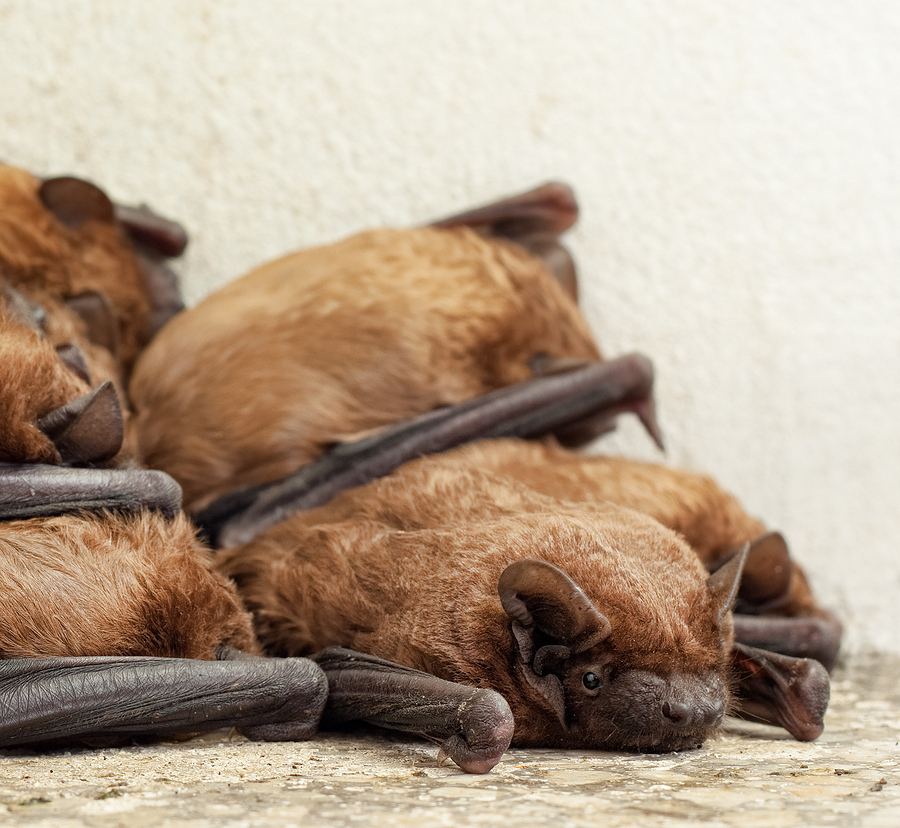
Different species have varying behaviors and colony sizes. For example, the Big Brown Bat—a very common species in Kentucky—frequently forms maternity colonies in buildings. These colonies can quickly swell to hundreds of individuals under the right conditions.
Location and Environment
Homes located near bodies of water, forests, or areas with high insect populations provide an abundant food source for bats. A steady food supply makes your property an ideal long-term habitat, encouraging rapid colony growth.
Accessibility of Entry Points
A house with multiple unsealed gaps, cracks, and deteriorating roof materials offers easy access for a growing colony. The more accessible the space, the faster other bats can join the colony’s roost.
The Dangers of a Growing Bat Colony
Sharing your home with a bat colony is not just an inconvenience; it poses serious threats to your property and your well-being.
Health Concerns
The most significant health risk associated with bats is histoplasmosis. This respiratory disease is caused by inhaling fungal spores that grow in accumulating bat guano. Symptoms range from flu-like discomfort to severe lung infections. Additionally, bats can introduce parasites like bat bugs into your home, which are closely related to bed bugs and can bite humans if their primary hosts are removed.
Structural Damage
Bat urine is highly acidic and corrosive. Over time, it can eat through drywall, rot structural wood, and permanently ruin your attic insulation. The sheer weight of accumulated guano can even cause ceilings to sag or collapse in extreme cases.
Odor and Aesthetic Issues
The smell of a large bat colony in the attic is incredibly pungent and difficult to remove. Urine and guano stains can also seep through ceilings and walls, leaving unsightly brown marks that require professional remediation and repair.
Preventing Bat Infestations
The best way to handle a bat infestation is to prevent it from happening in the first place. Proactive inspection and sealing are your best defenses. Regularly inspect your home’s exterior for gaps, cracks, and holes, paying special attention to the roofline, vents, and eaves. Seal any openings larger than a quarter-inch with durable materials like silicone caulk or steel wool. Routine maintenance of your roof and siding will keep your home secure against wildlife intruders.
Frequently Asked Questions
How fast do bats reproduce?
Most bat species give birth to only one pup per year, typically in late spring or early summer. However, because dozens or hundreds of females gather to form maternity colonies, the total population inside an attic can double in just a few weeks.
Can bats really squeeze through small cracks?
Yes. Bats have incredibly flexible bone structures. Many common species can squeeze through an opening as small as three-eighths of an inch—roughly the size of a dime.
What should I do if I see a single bat in my house?
If you find a bat inside your living space, isolate it to one room and open a window to let it fly out. Do not attempt to handle it bare-handed. Afterward, inspect your home for entry points, as a bat inside the house often indicates a larger colony in the attic or walls.
Protect Your Home and Your Family
The timeline of a bat infestation moves faster than most property owners anticipate. A single bat leaves a scent trail that quickly invites others, and if a maternity colony takes root, your attic can be overrun in a matter of months. Early detection is vital to protecting your health and avoiding severe structural damage to your home.
Concerned about bats in your Louisville, Kentucky home? Request a free estimate or inspection from our professional bat exclusion service today! Our experts will humanely remove the bats, seal your home against future intrusions, and help you restore your peace of mind.
Related Post: How to Identify a Bat Infestation and Have Them Removed Safely