Histoplasmosis and the Hidden Dangers of Bats in Your Attic

Discovering bats in your attic can be alarming. While these creatures play a vital role in our ecosystem, their presence in your home poses significant health risks. One of the most serious concerns is histoplasmosis, a respiratory infection caused by a fungus that thrives in bat droppings. For homeowners in Kentucky, understanding this connection is the first step toward protecting your family and property.

This guide will explain what histoplasmosis is, how it’s linked to bat infestations, and its prevalence in Kentucky. We’ll cover the symptoms, diagnosis, and treatment of this disease, as well as practical steps for prevention and the importance of professional bat removal. By the end, you’ll have the knowledge you need to handle a bat problem safely and effectively.

Call 502-553-7622 for Professional Bat Removal in Louisville Kentucky

What is Histoplasmosis?

Histoplasmosis is an infection caused by inhaling the spores of a fungus called Histoplasma capsulatum. This fungus is commonly found in soil that contains large amounts of bird or bat droppings, also known as guano. When soil or accumulated droppings are disturbed—through activities like cleaning an attic, gardening, or construction—the fungal spores can become airborne and be inhaled, leading to infection.

While many people who inhale the spores never get sick, others can develop a flu-like illness. For individuals with weakened immune systems, the elderly, or infants, histoplasmosis can become a severe and even life-threatening condition.

The Link Between Bats and Histoplasmosis

Bats, particularly the microbats common in North America, often roost in dark, undisturbed places like caves, old barns, and residential attics. Over time, their droppings accumulate, creating an ideal environment for the Histoplasma fungus to grow. A significant bat infestation in an attic can lead to large deposits of guano, turning the space into a potential source of infection.

When homeowners attempt to clean up bat guano without proper precautions, they risk disturbing the fungal spores and inhaling them. This is why it is crucial to address a bat problem with professional assistance.

Histoplasmosis in Kentucky

The Ohio and Mississippi River valleys, which include Kentucky, are known hotspots for histoplasmosis. The region’s soil and climate conditions are favorable for the Histoplasma fungus. According to data from the Kentucky Department for Public Health, the state consistently reports cases of histoplasmosis each year.

While exact numbers fluctuate, Kentucky remains one of the states with the highest incidence rates in the country. This prevalence underscores the importance for residents to be aware of the risks associated with bat diseases and infestations.

Symptoms, Diagnosis, and Treatment

The symptoms of histoplasmosis can vary widely depending on the severity of the infection.

Symptoms

Many people with histoplasmosis have no apparent symptoms. When symptoms do occur, they typically appear 3 to 17 days after exposure and may include:

  • Fever and chills
  • Headache
  • Muscle aches
  • Dry cough
  • Chest pain
  • Fatigue

In more severe cases, especially among those with compromised immune systems, the infection can spread from the lungs to other parts of the body, such as the brain and spinal cord. This is known as disseminated histoplasmosis and requires immediate medical attention.

Diagnosis and Treatment

Diagnosing histoplasmosis can be challenging because its symptoms resemble other respiratory illnesses. A doctor may use a combination of blood tests, urine tests, chest X-rays, or tissue samples to confirm a diagnosis.

For mild cases, treatment may not be necessary, as the infection often resolves on its own. However, for chronic or severe cases, doctors typically prescribe antifungal medications. Treatment can last from several months to a year, depending on the patient’s condition.

Schedule a Free Bat Removal Inspection Now

Preventing Bat Infestations in Your Home

The most effective way to prevent histoplasmosis from a bat infestation is to prevent bats from entering your home in the first place. Here are some practical bat control tips:

  • Seal Entry Points: Regularly inspect your home’s exterior for cracks and openings. Bats can squeeze through holes as small as a dime. Seal gaps in siding, around pipes, and near the foundation with caulk or expanding foam sealant.
  • Cover Chimneys: Install a properly fitted chimney cap to prevent bats and other wildlife from entering.
  • Install Screens: Make sure all windows, doors, and vents have intact screens. Repair any tears or holes promptly.
  • Trim Trees: Keep tree branches trimmed away from your roofline. Bats often use overhanging limbs to access your roof and find entry points.
  • Attic Ventilation: Ensure your attic has proper ventilation. This helps reduce moisture and makes the space less attractive to bats.
  • Regular Inspections: Periodically conduct an attic inspection. Look for signs of bat activity, such as droppings (guano), staining on walls, or scratching noises.

Why You Need a Professional Wildlife Removal Company

If you discover bats in the attic, do not attempt to remove them or clean up the droppings yourself. Handling a bat infestation requires specialized knowledge and equipment to ensure safety and compliance with wildlife regulations.

Benefits of Professional Bat Removal

  • Safe and Humane Removal: Professionals are trained to remove bats safely and humanely, without harming the animals or your property.
  • Thorough Inspection: A wildlife removal company will conduct a comprehensive attic inspection to identify all entry points and nesting areas.
  • Effective, Long-Lasting Solutions: Experts will seal entry points to prevent bats from returning, providing a permanent solution.
  • Proper Guano Cleanup: Professionals use protective gear and specialized techniques to safely remove bat guano and decontaminate the area, minimizing health risks.
  • Compliance with Regulations: In Kentucky, several bat species are protected. A licensed service understands and adheres to all local and federal laws regarding wildlife management.

Secure Your Home and Health

A bat infestation is more than just a nuisance; it’s a serious health hazard. Histoplasmosis is a real threat in Kentucky, but with awareness and proactive measures, you can protect your home and family. By sealing potential entry points and recognizing the signs of an infestation, you can prevent bats from making your home theirs.

If you suspect you have bats in your attic, the safest and most effective step is to contact a professional. A trained expert can assess the situation, remove the bats humanely, and ensure your home is secure.

Don’t wait until a small problem becomes a major health risk. Schedule a professional bat inspection today to ensure your home is safe and bat-free.

Call to Book a Free Inspection

Related Post: How to Identify a Bat Infestation and Have Them Removed Safely

Get The Real Story Behind Vampire Bats This Halloween

Trick or Treat!
Trick or Treat!

As October nights grow longer and jack-o’-lanterns flicker on front porches across Louisville, bats take flight against the moonlit sky—a quintessential Halloween scene. While these nocturnal creatures have long been associated with vampires and horror stories, the real vampire bats of the Americas tell a far more fascinating tale than any Hollywood movie could conjure.

Despite their fearsome name and spooky reputation, vampire bats are remarkable creatures whose biology and behavior challenge everything you might think you know about these Halloween icons. Far from the bloodthirsty monsters of legend, these small mammals have evolved extraordinary adaptations that make them invaluable to medical research and essential members of their ecosystems.

Whether you’re curious about the science behind these misunderstood, sanguineous creatures or dealing with bats in your Louisville home, understanding the truth about vampire bats can help separate fact from fiction this Halloween season.

What Are Vampire Bats? Separating Myth from Reality

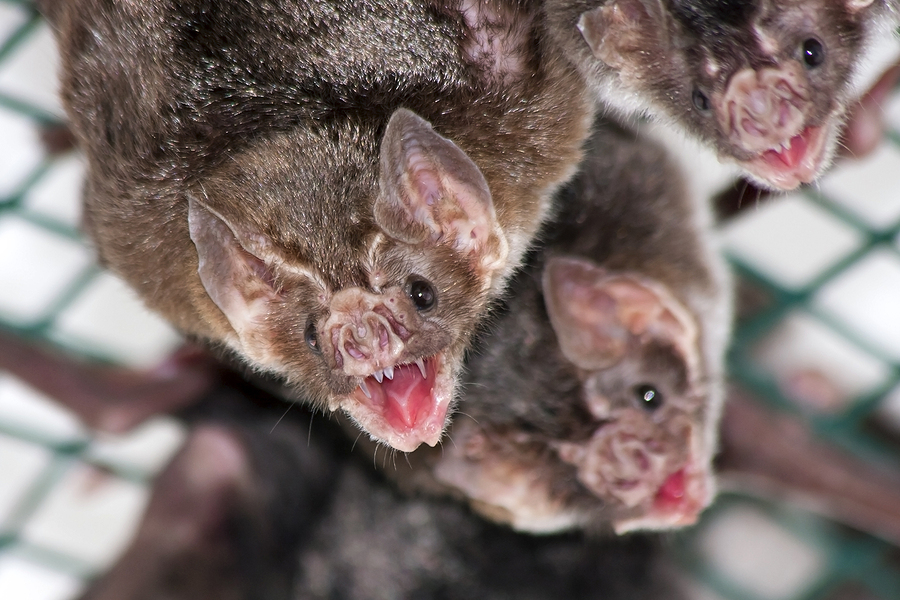
Only three species of vampire bats exist worldwide, all native to Central and South America. These small mammals—typically measuring just three inches long with a seven-inch wingspan—are far removed from the massive, menacing creatures depicted in classic horror films. The common vampire bat (Desmodus rotundus) is the most well-known species and the primary focus of scientific research.

Although sanguineous, Vampire bats don’t actually “suck” blood as popular culture suggests. Instead, they use their razor-sharp teeth to make small incisions in their prey and then lap up the blood with their tongues—a feeding process that’s surprisingly gentle and efficient. Their victims often don’t even wake up during feeding, thanks to the bat’s stealthy approach and the numbing properties in their saliva.

Call 502-553-7622 for Louisville Bat Control and Removal
Common Vampire Bat (Desmodus rotundus)

These remarkable creatures possess heat sensors on their noses, allowing them to locate blood vessels beneath their prey’s skin with pinpoint accuracy. This adaptation, combined with their ability to walk, run, and even jump on the ground, makes them uniquely suited to their blood-based diet among all bat species.

Where Vampire Bats Live and What They Actually Eat

Vampire bats inhabit tropical and subtropical regions from Mexico to northern Argentina, thriving in caves, hollow trees, and abandoned buildings. While Louisville residents won’t encounter true vampire bats locally, understanding their natural habitat helps dispel fears about these creatures appearing in Kentucky attics.

Contrary to vampire folklore, these bats rarely target humans. Their preferred meals come from livestock such as cattle, horses, pigs, and chickens. When vampire bats do bite humans, it’s typically because other food sources are scarce, not because they have a particular preference for human blood.

The feeding process reveals the vampire bat’s remarkable adaptations. After landing near sleeping prey, they use their heat sensors to find the perfect spot where blood vessels run close to the skin surface. Their saliva contains a powerful anticoagulant called Draculin—named after the famous vampire count—which prevents blood from clotting during feeding. This same compound is now being studied by researchers for potential stroke treatments in humans.

The Fang-tastic Social Life of Vampire Bats

Social Dynamics within Colonies

Vampire bat colonies demonstrate some of the most sophisticated social behaviors found in the animal kingdom. These communities can range from small groups of a few dozen bats to large colonies housing several hundred individuals. Within these colonies, vampire bats engage in complex social interactions that would make any Halloween party seem simple by comparison.

The Practice of Reciprocal Altruism

Perhaps most remarkably, vampire bats practice reciprocal altruism—sharing blood meals with colony members who return from unsuccessful hunting trips. This blood-sharing behavior ensures that no individual goes without food for too long, as vampire bats must feed every two to three days to survive. They can even recognize individual colony members and remember who has helped them in the past.

Grooming and Social Bonding

Grooming plays a crucial role in vampire bat society, serving both hygienic and social functions. Bats spend considerable time grooming themselves and each other, strengthening social bonds within the colony. Mothers care for their young for several months, and the colony often adopts orphaned bats, demonstrating a level of social cooperation that challenges stereotypes about these supposedly sinister creatures.

Schedule a Free, On-Site Bat Control Inspection Today!

Vampire Bats and Human Health: The Good and the Concerning

The relationship between vampire bats and humans presents both challenges and opportunities. While vampire bats can carry diseases such as rabies, the actual risk to humans remains relatively low. Most vampire bat bites occur in rural areas where livestock and bats coexist, and proper medical attention can address any health concerns.

However, vampire bats have become heroes in medical research. The anticoagulant properties in their saliva have led to breakthrough treatments for stroke patients. Scientists have developed medications based on vampire bat saliva that can help dissolve blood clots more effectively than traditional treatments. This Halloween, vampire bats might literally be saving lives in hospitals rather than threatening them in haunted houses.

Research into vampire bat physiology continues to yield insights into metabolism, blood processing, and social behavior that benefit human medicine and our understanding of mammalian biology.

Bat Control: When Bats Become Unwanted Guests

While vampire bats don’t inhabit Kentucky, Louisville homeowners may encounter other bat species that can become problematic when they take up residence in attics, barns, or other structures. Understanding effective bat control methods ensures both human safety and bat conservation.

Bat Removal and Control Service

Professional bat removal services focus on humane exclusion methods rather than extermination. One-way exclusion doors allow bats to leave roosting areas but prevent their return, while sealing entry points blocks future access. These methods protect both homeowners and beneficial bat populations that control insect pests throughout the region.

Environmental Modification

Habitat modification can make your property less attractive to bats seeking roosting sites. This includes reducing outdoor lighting that attracts insects (and consequently, the bats that feed on them), trimming tree branches away from roof lines, and maintaining proper ventilation to avoid the warm, humid conditions bats prefer.

The Cons of DIY

If you discover bats in your Louisville home, contact professional bat removal services rather than attempting DIY solutions. Experts understand local regulations protecting bat species and employ methods that prioritize both human safety and bat conservation.

Embracing the True Spirit of Halloween Bats

Understanding vampire bats reveals creatures far more complex and beneficial than their spooky reputation suggests. These small mammals have evolved remarkable adaptations for survival while contributing to medical advances that save human lives. Like many Halloween monsters, vampire bats are more misunderstood than truly menacing.

Their sophisticated social behaviors, unique feeding adaptations, and contributions to medical research make vampire bats worthy of respect rather than fear. Supporting bat conservation efforts helps protect these fascinating creatures and the ecosystems they serve.

This Halloween, as you see decorative bats adorning haunted houses and jack-o’-lanterns, remember that real bats—including the infamous vampire bat—play crucial roles in maintaining healthy ecosystems and advancing human medicine.

Here’s a batty Halloween fact to end our journey: The association between bats and vampires didn’t exist in folklore until after European explorers encountered vampire bats in the Americas. The legend grew from there, eventually inspiring Bram Stoker’s Dracula and cementing bats’ place in Halloween tradition. So the next time you see a bat silhouette against the full moon, you’ll know the real story is far more fascinating than any vampire tale.

If you’re dealing with unwanted bats in your Louisville home, don’t let them turn your residence into a haunted house. Contact our professional bat control services for safe, humane removal that protects both your family and these remarkable creatures.

Call Now for a Free Quote

Related Post: Fun Bat Facts for Halloween

Bat Roosting Season in Louisville: What Residents Need to Know

As the leaves begin to change and temperatures drop across Louisville, Kentucky, many residents notice increased bat activity around their homes and neighborhoods. This seasonal surge isn’t random—it marks the beginning of bat roosting season, a critical period when these fascinating mammals seek secure shelter to survive the colder months ahead.

Understanding bat roosting behavior is essential for Louisville homeowners, particularly those dealing with bats in the attic or around their property. While these nocturnal creatures play a vital role in our ecosystem, their presence in residential areas can create concerns about health risks, property damage, and safety. By learning about local bat species, their habitat needs, and proper coexistence strategies, residents can make informed decisions about bat control while supporting conservation efforts.

This comprehensive guide will explore everything Louisville residents need to know about bat roosting season, from identifying common species to implementing humane removal practices when necessary.

Call 502-553-7622 for Local Bat Removal Service in Louisville

Understanding Bat Roosting Season in Louisville

Bat roosting season typically begins in late summer and extends through early spring, with peak activity occurring from September through November. During this time, bats actively search for suitable roosting sites that will provide protection from harsh weather, predators, and human disturbance.

Louisville’s diverse landscape offers numerous roosting opportunities for bats. The city’s mature tree canopy, historic buildings, bridges spanning the Ohio River, and natural areas create an ideal environment for multiple bat species. However, as urban development continues to expand, many bats have adapted to using man-made structures, including residential attics, barns, and commercial buildings.

The roosting period serves multiple purposes beyond simple shelter. For some species, this is when mating occurs, making undisturbed roosting sites crucial for reproductive success. Pregnant females also require stable, warm environments to give birth and raise their young during late spring and early summer.

Bat Species Found in Louisville, Kentucky

Louisville is home to seven primary bat species, each with unique roosting preferences and conservation status. Understanding these species helps residents identify potential issues and appreciate the diversity of bats in their area.

Endangered Species Requiring Special Protection

The Indiana Bat (Myotis sodalis) and Gray Bat (Myotis grisescens) are both federally endangered bat species found in the Louisville area. These bats are protected under the Endangered Species Act, making it illegal to harm or disturb their habitats without proper permits. Indiana Bats typically roost in tree cavities and under loose bark, while Gray Bats prefer caves and cave-like structures.

Common Urban-Dwelling Species

Big Brown Bats (Eptesicus fuscus) are among the most commonly encountered species in residential areas. These adaptable bats readily roost in buildings, including attics, wall cavities, and roof spaces. Their larger size and tendency to form colonies make them particularly noticeable to homeowners.

Little Brown Bats (Myotis lucifugus) were once extremely common throughout Louisville but have experienced significant population declines due to white-nose syndrome. These small bats prefer roosting in buildings, particularly attics and barns.

Ideal Roosting Habitats in Louisville

Louisville’s varied landscape provides excellent bat habitat throughout the metropolitan area. Several key locations serve as important roosting sites for different species.

Natural Areas and Parks

The Parklands of Floyds Fork offers over 4,000 acres of diverse habitat, including mature forests perfect for tree-roosting species. This expansive park system provides critical habitat for Indiana Bats and other species requiring large, undisturbed woodland areas.

Cherokee Park, designed by Frederick Law Olmsted, features mature trees and diverse vegetation that support multiple bat species. The park’s historic design includes areas of dense canopy cover ideal for roosting bats.

Urban and Suburban Structures

Many Louisville bats have adapted to urban environments, utilizing bridges over the Ohio River and smaller waterways for roosting. These structures often provide the warm, protected spaces that bats seek during roosting season.

Residential areas with mature landscaping, older homes with accessible attics, and neighborhoods near wooded areas are particularly attractive to bats seeking bat roost locations.

Learn About Bat Removal Services

Risks to Bats During Roosting Season

Bat populations in Louisville face numerous threats during roosting season that can significantly impact their survival and reproductive success.

Habitat Loss and Urban Development

Continued urban development reduces the availability of natural roosting sites. When developers clear mature trees or demolish older buildings, they eliminate crucial bat habitat. This habitat loss forces bats to seek alternative roosting sites, sometimes leading them into residential areas where conflicts with humans may arise.

Human Disturbance

Well-meaning property owners sometimes disturb bat colonies during roosting season, not realizing the critical timing of their activities. Disturbance during this period can cause bats to abandon roosts, potentially leading to mortality if alternative sites aren’t readily available.

Environmental Threats

Pesticide use poses a significant threat to bat populations. Insecticides not only reduce the insect prey that bats depend on but can also poison bats directly through bioaccumulation. When bats consume insects contaminated with pesticides, toxins build up in their systems over time.

White-nose syndrome, caused by a fungus that affects hibernating bats, has devastated bat populations across North America. While more common in cave-dwelling species, this disease continues to threaten multiple bat species in Kentucky.

Predation and Environmental Stressors

During roosting season, bats become more vulnerable to predation as they remain in fixed locations for extended periods. Cats, owls, and other predators may target roosting colonies, particularly those in accessible locations.

Health and Safety Considerations for Residents

While bats provide enormous ecological benefits, their presence in residential areas can create legitimate health and safety concerns for Louisville residents.

Disease Transmission Risks

Histoplasmosis represents the most common health risk associated with bats. This fungal disease develops from spores found in bat droppings (guano). When guano accumulates in attics or other enclosed spaces, disturbing it can release spores into the air, potentially causing respiratory infections in humans.

Rabies transmission from bats is rare but possible. While less than one percent of bats carry rabies, any direct contact with bats should be avoided. Never attempt to handle bats with bare hands, and seek medical attention if bitten or scratched.

Allergens in bat droppings and urine can trigger allergic reactions in sensitive individuals, causing respiratory symptoms and skin irritation.

Property Damage Concerns

Accumulated guano can cause structural damage to buildings over time. The acidic nature of bat droppings can stain surfaces, corrode metal, and create persistent odors. Large colonies may also cause noise disturbances, particularly during evening emergence times.

Legal & Ethical Considerations for Bat Removal

Louisville residents must understand the legal framework surrounding bat removal and control before taking any action against roosting colonies.

Federal and State Protections

The Endangered Species Act provides complete protection for Indiana Bats and Gray Bats. Disturbing these species or their habitats without proper permits can result in significant fines and legal consequences. Even non-endangered species receive protection under various state wildlife laws.

Local Ordinances

In addition to federal and state laws, Louisville has its own city ordinances that govern bat control. The city requires a permit for bat removal, and only licensed professionals can perform the removal process. Furthermore, the use of certain pesticides or chemicals is prohibited within city limits.

Ethical Considerations

Bats play a vital role in maintaining the balance of our ecosystems by controlling insect populations and pollinating plants. As such, it is important to approach bat removal with ethical considerations in mind. It is recommended to use humane methods for exclusion and relocation rather than resorting to extermination.

Environmental Impact

Using pesticides or chemicals to remove bats can have a detrimental impact on the environment, harming not only the bats but also other animals and plants in the area. By seeking professional help, you can ensure that eco-friendly solutions are utilized for bat removal.

Conclusion

In conclusion, if you suspect a bat infestation in your home or property, it is crucial to take action immediately while considering the health concerns, ethical considerations, and environmental impact. By seeking professional help, you can ensure a safe and humane bat removal process while preserving the delicate balance of our ecosystem.

Remember to never attempt to remove bats on your own and always prioritize the well-being of these beneficial creatures. With adequate knowledge and care, we can coexist with bats peacefully and maintain a healthy environment for all.

Contact Bat Removal Louisville  at 502-553-7622 to handle bat concerns with care and expertise. Together, we can ensure safe solutions that protect both your home and the vital role bats play in our ecosystem.

Request a Free Bat Removal Inspection

Related Post: Bat Invasion: What to Do When They Choose Your Attic

Do Bats Hibernate in the Winter?

Ever wondered what happens to bats during the cold winter months? While most birds migrate to warmer climates to avoid the chill, bats have their own survival strategies. If you’ve noticed activity in your attic or crawl space, or if you’re simply a nature enthusiast trying to understand Midwest bats, you’ve come to the right place. This blog will cover everything you need to know about bat hibernation, local bat species, their winter roosting habits, and how to handle a potential bat infestation safely and humanely.

By the end of this post, you’ll understand the fascinating winter life of bats—and how to protect both your home and these incredible creatures.

Call 502-553-7622 to Remove Bats in Your Attic in Louisville Kentucky

What Is Hibernation and How Does It Impact Bats?

Hibernation is a state of dormancy that allows animals to conserve energy during periods of cold temperatures and food scarcity. For bats, this means a drastic slowing of their metabolism, heart rate, and breathing. Because they primarily feed on insects, bats are particularly affected in the Midwest winter months, when their food supply diminishes significantly.

During hibernation, bats survive on the fat reserves they’ve built up during the warmer months. Their body temperature drops, allowing them to use less energy for basic bodily functions. However, waking up during hibernation—whether due to weather changes, predators, or human interference—can exhaust these reserves and jeopardize their survival.

Which Bat Species Hibernate in the Midwest?

The Midwest is home to a variety of bat species, many of which hibernate to survive harsh winters. Here are six species commonly found in the region:

  • Little Brown Bat – A small and widely distributed species, the Little Brown Bat often hibernates in caves or mines. They are known for their adaptability and can sometimes be found in man-made structures during winter. 
  • Big Brown Bat – Larger than most species, the Big Brown Bat is one of the few that may remain semi-active in warmer winter spells. They often roost in attics, crawl spaces, and even barns.
  • Indiana Bat – Considered an endangered species, the Indiana Bat primarily hibernates in large colonies inside caves called “hibernacula.”
  • Northern Long-Eared Bat – This bat, often found in wooded areas, prefers to hibernate in caves and mines. It’s also listed as a threatened species, making efforts to protect its winter roosts incredibly important.
  • Gray Bat – Another endangered species, the Gray Bat is almost exclusively found in caves during hibernation. They are particularly common near water sources like rivers and reservoirs.
  • Hoary Bat – Unlike many other Midwest bats, the Hoary Bat is more likely to migrate than hibernate. They are often spotted in forests during their southern migration.

Understanding these species is crucial, as some (like the Indiana and Gray Bats) are protected under federal and state conservation laws, including in Louisville, Kentucky.

Where Do Bats Hibernate?

Bats are resourceful when it comes to finding winter roosts. Their hibernation spots depend on the species, environmental conditions, and available shelter. Here are the most common hibernation locations for bats:

  • Caves and Mines – Many bats seek out caves or abandoned mines because of their stable temperatures and high humidity. These conditions are ideal for conserving energy during hibernation.
  • Tree Hollows – Some species, like the Hoary Bat, take refuge in tree hollows, particularly in heavily forested areas of the Midwest.
  • Man-Made Structures – Bats in urban or suburban areas often find their way into homes, barns, and other buildings. Common spots include attics, crawl spaces, eaves, and chimneys.
  • Rock Crevices – Rock formations provide smaller bat species the protection they need from predators and the elements.

If you’re in Louisville, it’s important to be aware that bats may choose your attic or crawl space as their winter quarters. While this can be unsettling for homeowners, bats pose little direct threat to humans. However, their presence can lead to structural damage, droppings (guano) accumulation, and noise disturbances.

Managing Nuisance Bats Safely and Humanely

Discovering bats in your home can be distressing, but there are safe and humane ways to address the issue while ensuring their survival. Many bat species are protected by law, so it’s crucial to follow local regulations, including those in Louisville, Kentucky.

Tips for Safe Bat Removal and Control:

  • Contact a Professional – Hiring a licensed Louisville bat removal expert ensures the safe and legal handling of bats in your home. Professionals are familiar with local guidelines, such as seasonal restrictions during maternity and hibernation periods.
  • Install Bat Exclusion Devices – Exclusion devices allow bats to leave your home but not re-enter. This method is both effective and humane, as it prevents them from being trapped or killed.
  • Seal Entry Points – After the bats have left, seal off entry points such as cracks, vents, and gaps in roofing to prevent future infestations.
  • Avoid DIY Removal – Attempting to remove bats on your own can harm both you and the bats. Disturbing hibernating bats can deplete their energy reserves, while improper handling may expose you to health risks like rabies.
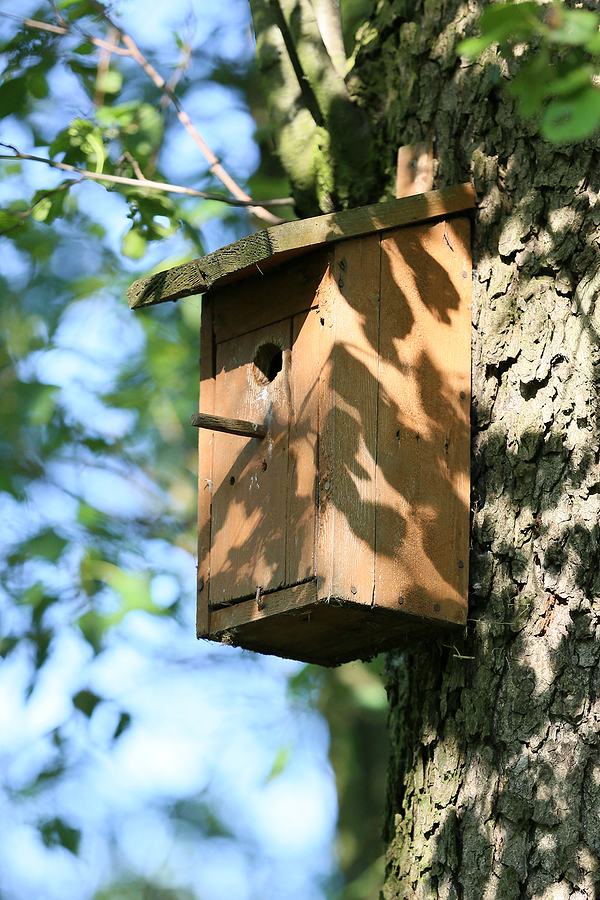
  • Install a Bat House – Provide bats with an alternative roosting spot by installing a bat house on your property. This not only helps relocate them but also supports their role in pest control.

Local Regulations in Louisville, Kentucky 

Specific regulations in Louisville and across Kentucky protect certain bat species. For example, it is illegal to remove bats during their maternity season (typically spring and early summer) or disrupt their hibernation in protected areas. Always check with local wildlife authorities or consult a bat removal company before taking action.

Key Points

Bats play a vital role in our environment, from pollination to pest control. However, their winter hibernation can occasionally conflict with human living spaces. Whether you’re a homeowner warding off bats in the attic or a wildlife enthusiast keen to learn about these creatures, understanding their hibernation habits ensures we can coexist with these fascinating animals without causing harm.

If you’re dealing with a bat infestation or want advice on humane bat control methods, don’t hesitate to contact a local bat removal company. Their expertise will ensure both your home and the local bat population are protected.

Looking for a safe and affordable way to abate nuisance bats? Contact our professional wildlife control operators for expert advice and guidance. We offer comprehensive bat removal and control services in Louisville, Kentucky. Request a free estimate or schedule an attic inspection, today!

Related Posts:

Bat Invasion: What to Do When They Choose Your Attic 
Most Common Species of Bat Found in Kentucky
How to Solve Nuisance Bat Problems in Winter

All the Reasons Why You Should Love Bats

Bats are one of the most amazing mammals in the world! For instance, did you know that bats are the ONLY mammal on the entire planet that can fly? Sure, there are “flying” squirrels and other mammals that mimic flying; but these species are really just floating, drifting, gliding, or soaring with wind currents. Bats are the only mammals that are capable of true flight. But interesting facts like this is not the only reason why so many people like us love bats so much. There is plenty more they offer that makes them a magnificent and valuable species!

Continue reading to learn why you should love bats too!

Louisville Bat Removal and Control 502-553-7622
Fruit Bats are great pollinators!

Bats are Ecologically Important

Bats play a vital role in our surrounding Eco-system, and in countless more across the globe. They contribute to our local economies in various aspects, and even make our outdoor living environments a much nicer place to be. Here is why:

Bats are Excellent Pest Control

Have you ever noticed how comfortable your backyard can be when enjoying the nice, evening air? That is partly due to the colonies of bats living nearby. A single bat can consume more than one thousand flying insects, such as mosquitoes and gnats. And since bats are not solitary mammals, you can expect hundreds of bats darting and diving for insects all night long. That is an incredible amount of pest control, and all for free!

Bats Pollinate Our Crops and Gardens

Just like many other types of animals and insects, bats too help distribute pollen and other rich organic matter, which in turn provides a significant contribution to our local crops and gardens. It also makes our landscaping full and healthy, every spring and summer. This pattern of pollination also positively impacts our local economies in many ways.

Bats Stimulate Our Local Economies

Because bats are great a pollination and pest control, our crops and yields are much better in quality, nutrition, and appearance. This, in turn, helps local farmers and harvesters sell their goods and keep healthy, local foods in their community. It also creates jobs since more help is needed to farm and distribute annual crops.

Bats are So So Cute!

Have you ever seen a picture of a furry Little Brown bat? They are very adorable, especially as pups. How can you not love bats for this reason? If you do some more research, you will find thousands of species, all in a wide array of colors, wingspans, sizes, and unique attributes!

Solutions for Nuisance Bats

Of course, bats can also be a nuisance, even though they don’t mean to be. When land over-development and other contributions affect bats natural habitats, they tend to look for shelter anywhere they can. In many cases, this is our homes and buildings. But never worry! You can hire a licensed Kentucky bat removal and control company for safe and non-lethal abatement services at an affordable price.

Licensed Bat Removal and Control in Louisville, Kentucky

Call 502-553-7622 to speak a licensed professional regarding bat removal services in Louisville, Kentucky. Our DNR licensed and insured wildlife control experts also offer a wide range of residential and commercial bat cleanup and damage restoration services, including decontamination, fumigation, structural damage repair, preventative maintenance, post checkups, and more. We may also be able to provide bat damage insurance claim work depending on your particular policy and carrier.

Valiant Efforts Being Made to Abate White Nose Syndrome in Bats

White-nose syndrome (WNS) is a serious and deadly disease that affects species of hibernating bats. Millions of bat populations have already been wiped out due to this deathly syndrome, which is immensely sad considering the high ecological and economic importance of bats. Fortunately, there are valiant efforts currently being made to slow the spread of, and eventually put a stop to, this terrifying bat disease.

Continue reading to learn more about what’s being done to save our bats from White-nose syndrome.

Louisville Bat Removal and Control
Louisville Bat Removal and Control 502-553-7622

White-Nose Syndrome (WNS)

The White-nose syndrome (WNS) diseases is caused by a fungus called Pseudogymnoascus destructans (Pd). This fungus appears in the form of white fuzz or powder around the snout of bats, hence its moniker. Because Pseudogymnoascus destructans grows best in cold, dark, damp locations, hibernating bats are prime collateral damage since they tend to inhabit caves and similar areas with cold, damp conditions.

White-nose syndrome fungal spores can survive on surfaces for an extended amount of time, and can spread rapidly among bat colonies throughout the country. One of the first discovered cases of white-nose syndrome occurred back in 2006, when a cave explorer took a picture of a bat in a cave outside of Albany, New York. Today, the disease in found in bat populations all across the United States.

Current Efforts to Find a Solution

Although various bat populations have been affected by this deadly diseases, the top three species that suffered the most include Northern long-eared bats, Little brown bats, and Tricolored bats. Unfortunately, there is no cure for white-nose syndrome, but efforts are continuing to preserve and protect our healthy bat colonies from becoming infected.

Currently, vaccines are being tested, and several experimental treatments are being implemented, to find a solution to this ecological problem. Furthermore, studies are being done to investigate and evaluate the spread of white nose syndrome, and learning how to make positive environmental and habitat changes for bats.

Nuisance Bat Problems

Bats are an incredible mammal, and offer numerous benefits to our surrounding environment and ecosystems. However, if you are experiencing nuisance bat problems, contact a Kentucky bat removal and control company for safe and humane service.

Louisville Bat Removal and Control Company To Call

Call 553-502-7622 for prompt and professional 24 hour bat removal and control in Louisville, Kentucky and its surrounding areas. We are DNR licensed bat removal contractors that offer safe and non-lethal, 24 hour bat extraction and exclusion services for residential and commercial properties. We also provide bat cleanup and minor attic restorations for bat damages too. Request a free estimate, anytime.

What to Do if You See a Bat Outside Your House

Bats are around here are very tiny, so they can fit into the smallest openings or gaps in a house or building. In fact, a hole as small as 3/8ths of an inch is all they need to gain access into roofs, attics, crawl spaces, sheds, garages, and more. Additionally, bats are attracted to areas that have a lot of trees and bodies of water. Properties that also fit these descriptions are more prone to nightly bat activity, making bat sightings more prevalent that one would believe.

If you happen to come across a bat outside on your property, there are some specific rules to follow in order to protect yourself and the bat. Continue reading to learn what you should do if you ever see a bat outside.

Louisville Bat Removal and Control
Louisville Bat Removal and Control 502-553-7622

Flying Bats

If you see a bat on the outside of your property, your next step depends on the where it is, what it is doing, and its age. When you see bats flying around your property at night, you don’t need to take any immediate action except to ensure your windows and doors are closed. However, if the bat activity persists or becomes worse, it is wise to contact a Louisville bat control company to have your home or building inspected for vulnerabilities. They have the permits, equipment, and skills to provide full-property inspections and give professional advice on how to protect your home from bat infestations.

Baby Bats

When you find a baby bat laying on the ground, or by itself attached to a beam or branch, do not touch it and immediately go the other direction. It may seem like the baby is abandoned by its mother, but is probably isn’t. Chance are, it fell out of the nest, or the mother dropped it mid-flight. In both scenarios, the mother is likely to come back for the baby within 24 hours.

If the baby bat is blatantly injured, it is important to let nature take its course. Remember, that bat could be food or fertilizer for other living organisms in nature. If the injured bat is in an area of your property that is often occupied or used, you cannot wait for nature to take its course; instead, contact a Louisville bat control company for licensed bat removal service.

Bat on the Ground

Unless it is June or July, a bat found on the ground is likely an adult. If you see an adult bat on the ground, especially during daytime, it could be injured, ill, or just really old and close to death. Bats are known to isolate themselves when they are dying. Furthermore, if the bat is behaving erratically, or seems confused, it could be a sign of Rabies.

Louisville Bat Removal and Control You Can Trust

Call 553-502-7622 for prompt and professional 24 hour bat removal in Louisville, Kentucky and its surrounding areas. We are DNR licensed bat removal contractors that offer safe and non-lethal, 24 hour bat extraction and exclusion services for residential and commercial properties. We also provide bat cleanup and minor attic restorations for bat damages too. Request a free estimate, anytime.

Where to Get Fast and Affordable Bat Removal in Louisville

Bats don’t have to continue being a nuisance to your property! Our DNR licensed bat removal and control specialists operate 24 hours a day, delivering excellent customer service and affordable long-term solutions here in Louisville, Kentucky.

Continue below to learn more about our team, including why you should choose us and how to get started as soon as today!

Louisville Bat Removal and Control 502-553-7622
Call 502-553-7622 for a Free Quote

Kentucky Bat Removal and Control Facts

Bats are a protected Kentucky species and should never be touched, trapped, or harmed by anyone. In fact, it is state law that only licensed personnel with the proper state permits can handle or extract wilds bats. Keep this in mind next time you have a bat in the attic, or a bat infestation on your property! So, what do you do when bats are a nuisance around your property? Or worse, inside? The best solution is to contact our trusted and esteemed Kentucky bat control operators.

DNR Licensed and Insured Operators You Can Count On

We are a DNR licensed wildlife abatement company that specializes solely in bat removal, bat proofing, and bat damage restoration. Based out of Louisville, we are the professionals who can solve all of your nuisance bat problems at a competitive price! We have the latest technologies and hands-on experience to facilitate safe, humane, and effective bat removal services.

Not only can we extract bats from attics, crawl spaces, drywall, porches, and more, we offer a wide selection of additional bat control services for both residential and commercial properties, including bat cleanup services and minor attic restorations for damages caused by bats. We also offer bat proofing and preventative maintenance, dead bat removal, 24 hour emergency services, free advice, free estimates, and much more.

Get Started With a Free Quote Today!

Call 502-553-7622 to request a free estimate for Louisville bat removal services, today. We offer a wide range of safe and humane bat removal and control services for both residential and commercial properties within Central Kentucky, at the most competitive prices in town. That means you can get affordable bat removal and control you can trust. It was over 30 years of experience under our belts, you can feel confident in our results.

Are Bat Mites and Bed Bugs the Same?

People all across the country have experienced a bug infestation of some kind. Whether its mosquitoes, ants, gnats, or fleas, we have all been there at least once in our lives. Out of all of the insects that we encounter in our lifetime, bat mites are one we would commonly overlook. No one ever talks about bat mites, mostly because they are often times mistaken for bed bugs

Continue below to learn the similarities and differences between the two insects, as well as, how to permanently get rid of bat mites in your home.

Louisville Bat Removal and Control 502-553-7622
A typical bat mite.

Bed Bugs Versus Bat Mites

Most people have heard stories of bed bug infestations, and many have even experienced it for themselves. The usual signs include itching, red bumps and bites, and minuscule bugs in your linens and bed sheets. To get rid of them, people have used exterminators, aerosol sprays, and insecticide treatments to kill and remove the “bed bug” problem.  What some find, is that the infestation eventually comes back.

This is most likely because they treatment administered wasn’t strong enough, or the infestation isn’t bed bugs at all, its bat mites. Bat mites behave very similar to bed bugs. They are tiny parasitic insects that cling to a host and can live up to one year if the climate is agreeable. They live sustainably in dark and narrow areas, just like bats, which is why bats are their favorite hosts.

How to Get Rid of Bat Mites

⚠ No matter how many times your house is fumigated, disinfected, and treated, BAT MITES WILL NEVER GO AWAY unless you get rid of the bats, first!

Standard extermination services are not the correct treatment for bat mites. So long as their host remains, bat mites will continue to breed and reproduce at an exponential rates. Once the bat colonies are cleared from the area and proper preventative maintenance is implemented to ensure there will be no more future bat break-ins, you are on your way to a pest-free living space. This is when you can begin to properly clean and sanitize the area for bat mites. Keep in mind that bats can also carry and transmit fleas, lice, and ticks.

Get Help With Bat Removal and Cleanup in Louisville

Call 553-502-7622 for professional bat removal and bat cleanup insurance claim work in Louisville, Kentucky. We are DNR licensed bat removal contractors that offer safe and non-lethal, 24 hour bat extraction and exclusion services for residential and commercial properties. We also provide bat cleanup and minor attic restorations for bat damages too. Request a free estimate, anytime.

How to Get Rid of Bats Behind Window Shutters

Bats are very tiny here in Kentucky, allowing them to take shelter in the teeniest, tiniest of places. One such place is right behind your window shutters. Bats like window shutter voids because they offer easy access, optimal privacy, and warmth through the colder days of the year. If you suspect that bats are roosting behind your window shutters, start looking for the signs of local bat activity to confirm their presence.

Continue reading to learn these signs, as well as, how to stop them roosting in your shutters for good.

Louisville Bat Removal and Control
Louisville Bat Removal and Control 502-553-7622

Signs of Roosting Bats

Bats are small, which makes them good at hiding, but are not very good at staying hid, as they tend to leave behind signs that reveal their presence. One of the most common and easiest-to-spot signs is their droppings, otherwise known as guano. Although bat guano is often mistaken for rodent droppings, you can quickly tell the difference by taking a closer look. Bat guano is much larger than rodent droppings, which are generally pellet-like. Bat droppings looks more similar to that of a small dog rather than a rodent. In most cases, they are in large accumulations, which is not typical of rodent droppings.

Another common sign of bats nearby is scratch marks or grease-like stains on the shutter faces. This indicates that bats are flying and rubbing against the shutters on a regular basis. Another sign is actually witnessing them enter behind your shutters. You can safely assume they have made a nest and intend on staying there for a long time if you see this happen.

How to Stop Bats From Coming Back

To get rid of bats roosting behind window shutters, your safest and most humane option would be to use their sense of smell against them. Bats hate scents that are strong-smelling and stinky, and will avoid them at all costs. During the daytime, make sure the void behind your shutters is empty, then stick some mothballs inside. This will most certainly divert their interest in this spot. See our blog, “These Household Spices Can Keep Bats Away!” for some more scents bats hate.

If you check behind your shutters and there is a bat there, immediately walk away and contact a licensed Louisville bat removal company. There are several state and federal laws that govern bats, and you do not want to jeopardize your legal liability. Furthermore, some bats are federally-protected, such as the Indiana Bat (Myotis sodalist), which are common here in Kentucky. See our blog, “Kentucky Laws About Tampering With Wild Bats” to learn more laws about bats.

If your mothballs do not seem to work, you can always remove your shutters for a year, and therefore, remove your location from their memory. Otherwise, your Louisville bat control specialist can help you make the proper environmental modifications and exterior renovations to ensure your property remains protected against nuisance wildlife like bats.

Louisville Bat Removal and Control at an Affordable Price

If bats are a nuisance in or around your property, contact 502-553-7622 for safe and humane bat removal services in Louisville, Kentucky. We are DNR licensed and insured bat control contractors who use safe, non-lethal methods of extraction and exclusion. We serve both residential and commercial clients, and at the most competitive prices in town. Emergency 24 hour service is also available. Request a free estimate, today.